


Tennis Court Resurfacing Services
Why Choose Pro Track & Tennis for Tennis Court Resurfacing
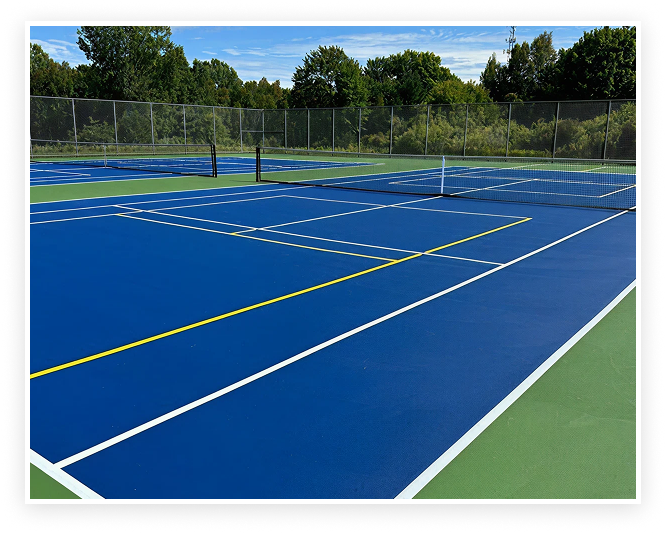

Proven Results
Consistency & Professionalism
144 Color Combinations
Specialized Equipment & Techniques
in every surface.
ASBA Member
Built to ASBA standards and best practices
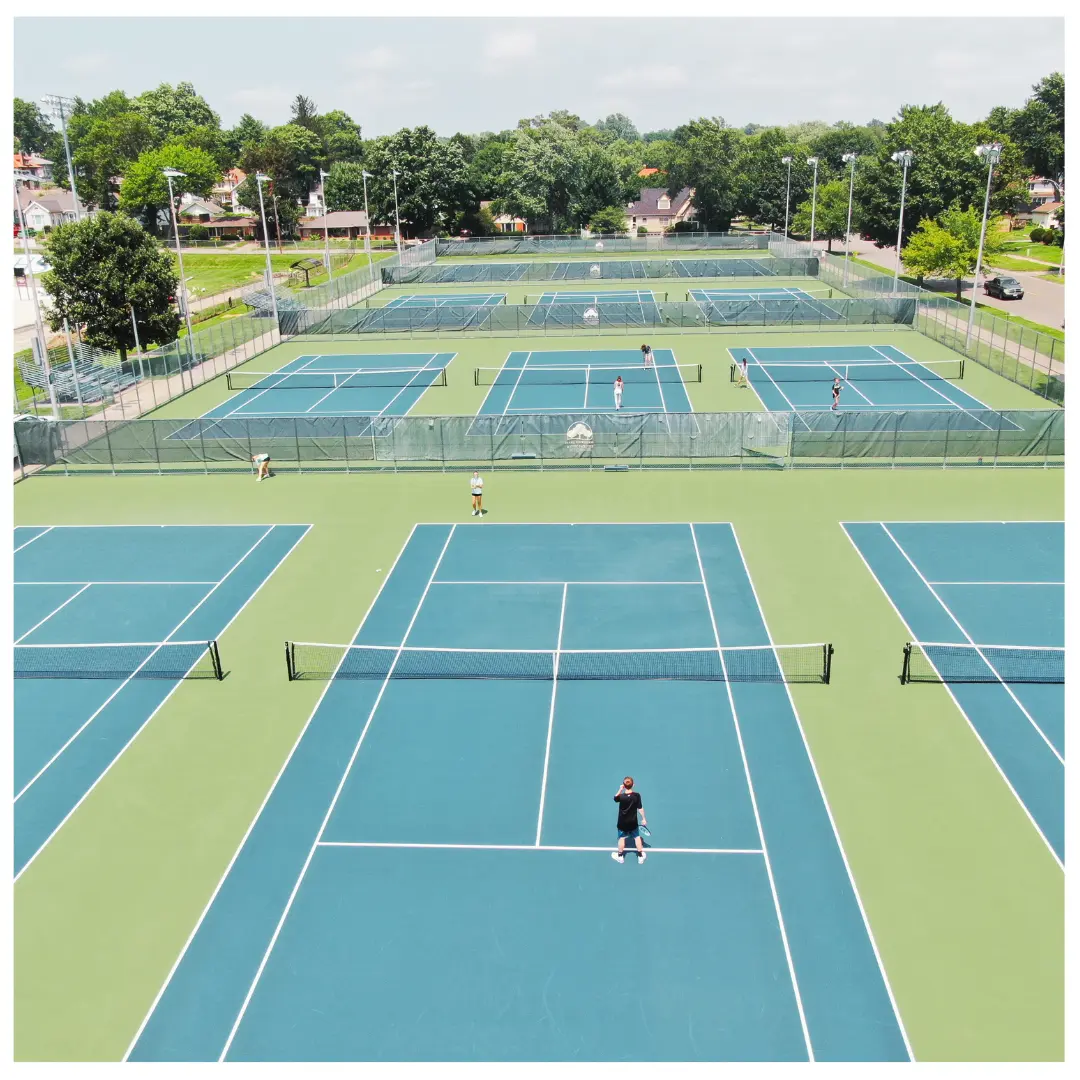
Featured Project: Giammalva Racquet Club Tennis Court Resurfacing
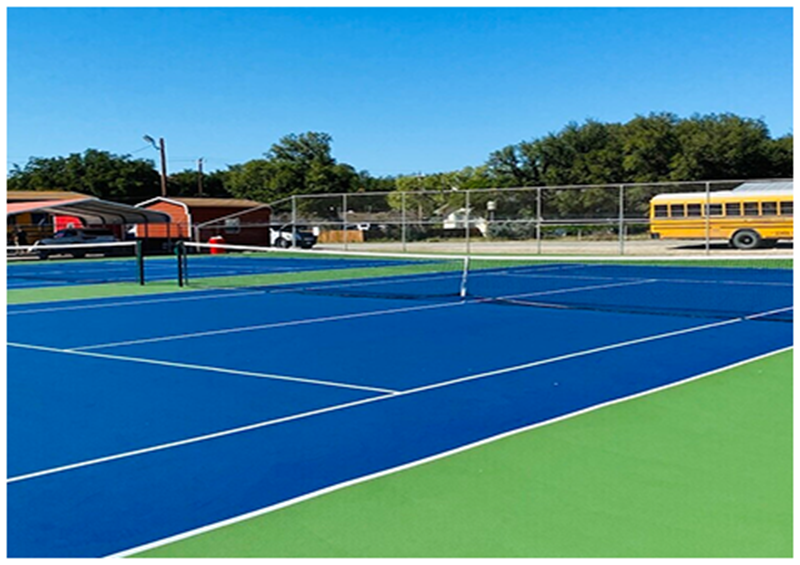
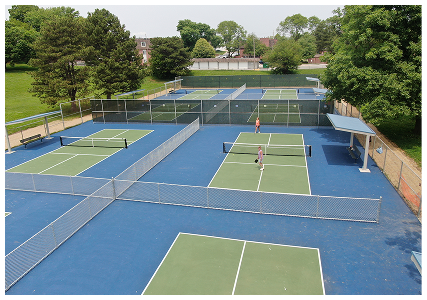
Pro Track & Tennis resurfaced 5 tennis courts using the ARMOR crack repair system and a new acrylic resurfacing system, giving the club a cleaner, safer, and more consistent playing surface without taking the courts out of play for an entire season.
Project Scope
Facility Type
Location
System Used
Outcome
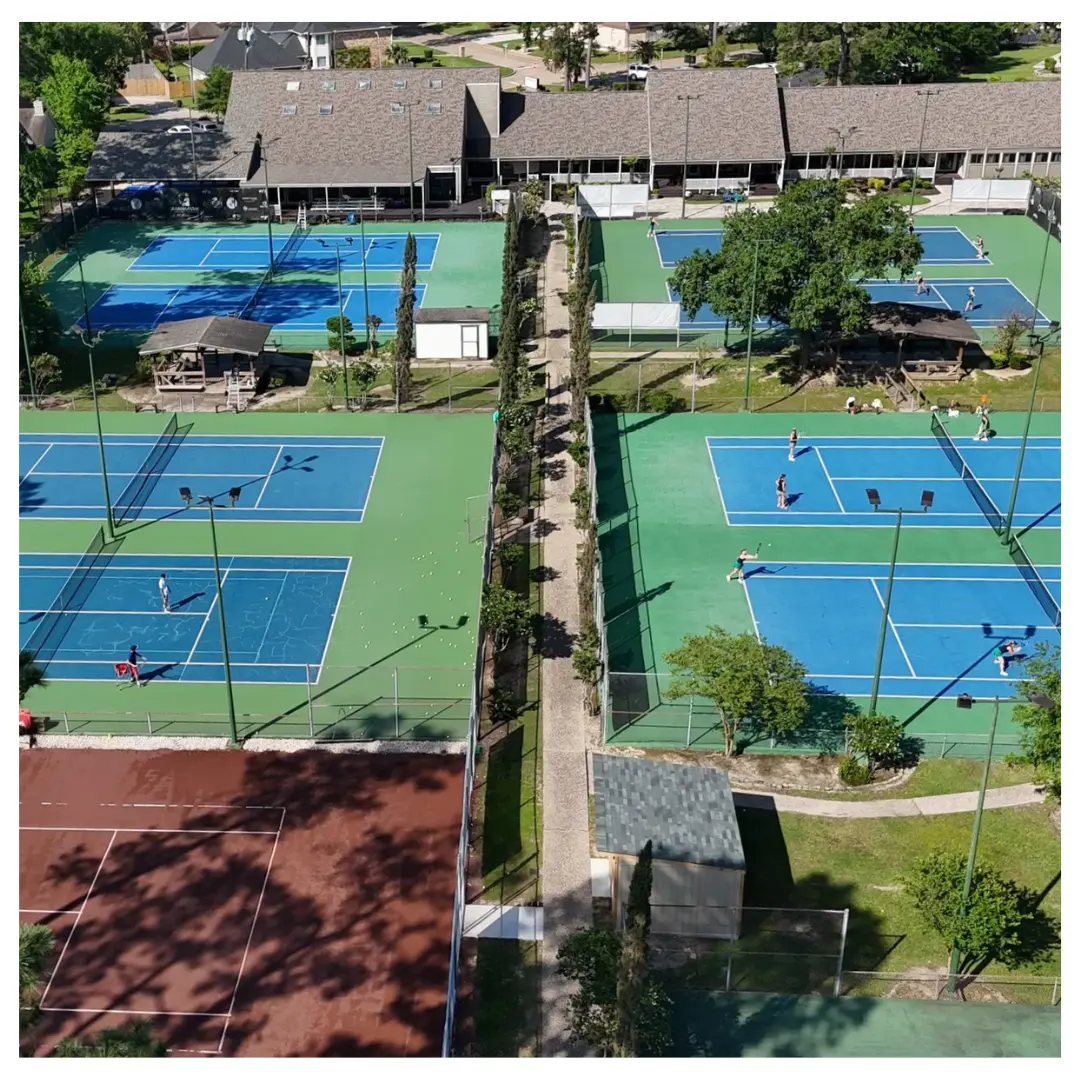
The courts were a bit in bad shape, a lot of cracks. These courts been here for about 30 years… they’ve been many times resurfaced… The outcome so far has been great. They were on time… the expectations was always clear. Everybody’s very happy with the outcome of the court surface… Definitely recommend Pro Track and Tennis. Professional, serious, sometimes hard to find in this industry.
Tennis Court Resurfacing Services

USTA Standards: Dimensions, Color, and Multi-Age Courts
Regulation Court Dimensions
78 ft long
•
27 ft singles
•
36 ft doubles
For standard adult play, USTA dimensions align with the ITF:
78 feet long, 27 feet wide for singles, and 36 feet wide for doubles.
There’s no separate USTA measurement standard for regulation courts;
USTA and ITF use the same numbers, which is part of why courts built
to spec work for both club and tournament play.
Court Color and Line Contrast
Clear contrast matters more than one required court color
USTA doesn’t mandate a single required surface color the way some governing
bodies do for their showcase venues. What USTA regulations do specify is
contrast: court lines must be a consistent width and color that clearly
stands out against the surface, and where multiple line sets share one court,
each set must use a different color so players aren’t confused about which
lines apply to their match.
Multi-Age Court Layouts
36 ft courts for younger players
•
60 ft courts for ages 9–10
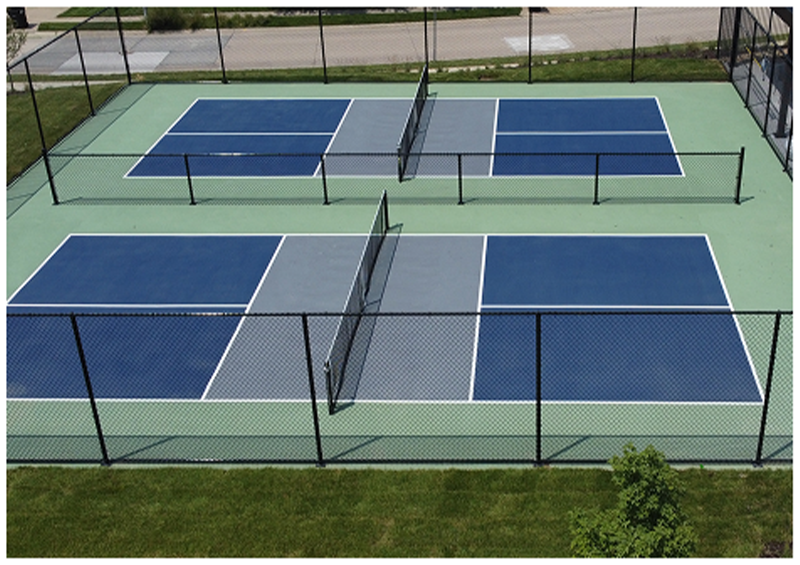
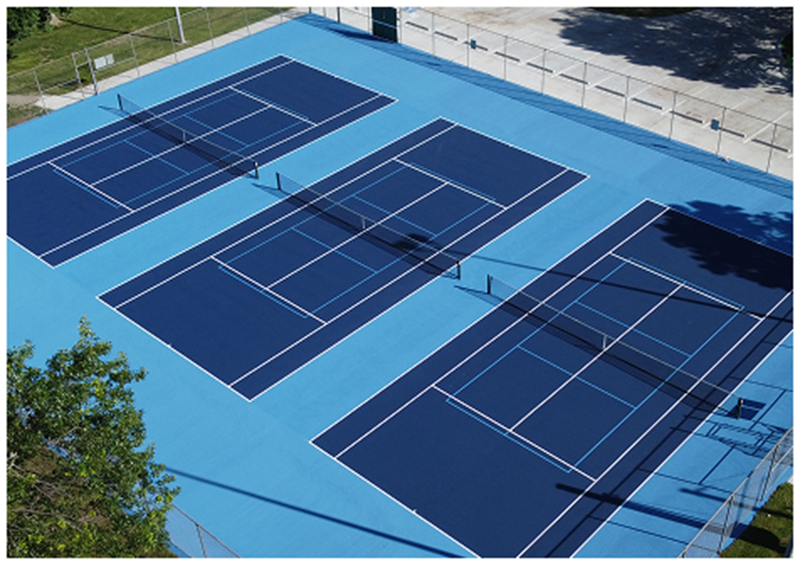
That contrast requirement is exactly what makes blended lines possible for
kids’ tennis. Through its 10 and Under Tennis program, USTA supports adding
smaller-format lines, a 36-foot court for the youngest players and a 60-foot
court for 9- and 10-year-olds, directly onto a standard 78-foot court, using
a different line color so adults and kids can share the same court without
confusion. It’s a practical way for schools, parks, and clubs to serve
multiple age groups without building or dedicating separate courts.
Standards at a Glance
Standard court length
Singles court width
Doubles court width
Youth court formats
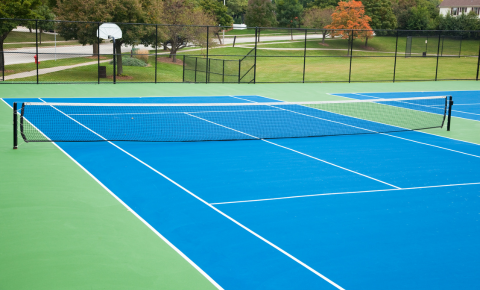
Adult and youth court lines can share the same surface when clearly contrasting colors are used.
State-of-the-Art Resurfacing
Methods For Your Courts
Armor Crack Repair
Proud Partners of Nova Sports
Built for Your Climate, Not Just Any Climate
Cold-weather regions (Midwest, North)
Hot-weather regions (South)
High-altitude regions (Mountain West)
No two courts age the same way, which is why regional conditions are part of the planning conversation from day one, not an afterthought after cracks show up.
The PTT Advantage: Technology & Expertise Others Can’t Match
Advanced Innovation
Premium Materials
Regional Expertise
Our Tennis Court Resurfacing Process
around your schedule.

Step 1:
Free on-site assessment
and evaluation.
inspect your facility’s current
condition to create a
custom quote.

Step 2:
Let’s talk about
your vision
including your selection from our 144 color options, bringing your dream facility to life.

Step 3:
Professional installation using our advanced technology

Step 4:
Final quality inspection
and warranty coverage.
courts are ready for use, guiding you through the next steps to ensure a long lifespan.
STARTING TO THINK ABOUT YOUR NEXT COURT RESURFACING PROJECT?
Inside, you’ll find expert insight on warning signs, resurfacing vs. rebuild costs, and common budget mistakes, so you can make confident decisions for your facility.
Our Warranty: What We Stand Behind
2-Year Workmanship Warranty
Every resurfacing job we complete is backed by a 2-year workmanship warranty covering labor and installation. If something about our installation fails under normal use during that period,
we’ll come back and make it right.
5-Year ARMOR Crack Repair Warranty
When a project includes our ARMOR crack repair system, that repair carries a 5-year warranty for courts. ARMOR is designed to handle the hydrostatic pressure and slab movement that cause ordinary crack fillers to fail, often within the same season.
What’s Covered
Workmanship and installation defects, under our general warranty
Crack repair under the ARMOR system's 5-year warranty for courts, when ARMOR is part of your scope of work
What’s NOT Covered
Damage from misuse, unauthorized modifications, or third-party repairs
Surface issues caused by base or slab failure unrelated to the original crack repair
Normal wear from UV exposure, weathering, or heavy use over time
On projects bid through a general contractor or architect, warranty terms follow the project specification rather than these standard terms
Over 1,000+ Professional Tennis Court Resurfacing Projects
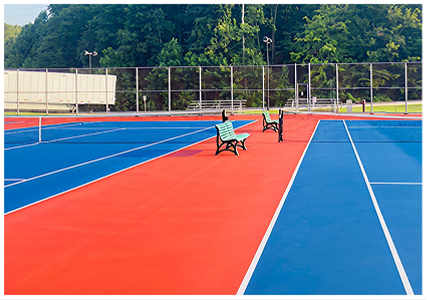
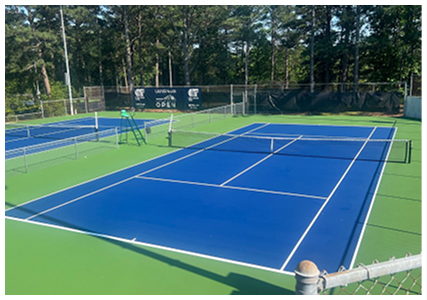
Evansville, IN
Tennis Court Resurfacing
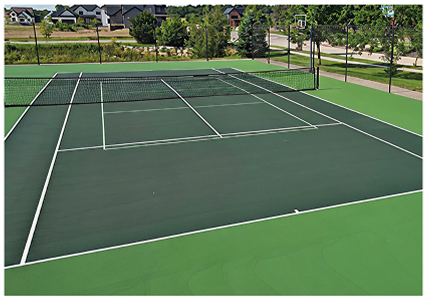
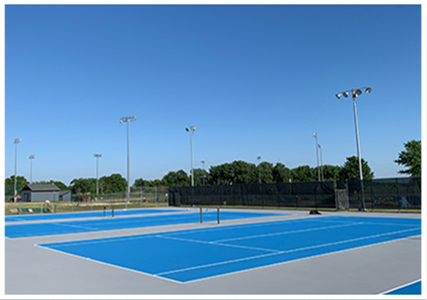
Waunakee, WI
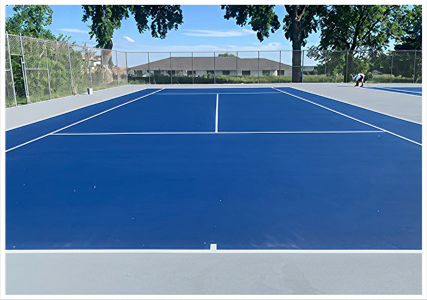
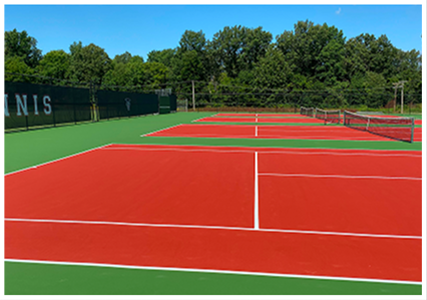
Kearney, NE
What Our Partners Say
“Everybody’s very happy with the outcome of the court surface… Definitely recommend Pro Track and Tennis. Professional, serious, sometimes hard to find in this industry.”

Victor Pinones
& Elite Academy Owner
Steve Lassman
Capital Improvement Project Manager
Scott Bergman
Activities Director
Understanding the Real Cost of
Tennis Court Investment
Not every court needs the same level of work, and knowing which situation you’re in protects your budget before a single number gets discussed.
Minor Repairs
Isolated crack filling, spot treatments on an otherwise sound court
Resurfacing

Structural Renovation
Full Reconstruction
As a relative guide, resurfacing costs a fraction of a full reconstruction, which is exactly why timing matters. Acting while a court is still in the resurfacing window is far more cost-effective than waiting until structural failure forces a rebuild.
What Moves the Cost?
How much will it actually cost?
Resurfacing starts at about $20,000 per court, though the exact number depends on the factors above. The only way to get a real figure for your specific courts is a free on-site assessment, where we evaluate your base, drainage, and surface condition and give you an accurate plan and quote.
Find Court Services in Your Area
Professional Tennis Court Resurfacing Contractors
Serving Your Area

25+ States Served

Climate Considerations

Travel Capabilities
Get in touch to start planning your next project.
Frequently Asked Questions (FAQs) About Tennis Court Resurfacing
How much does tennis court resurfacing cost?
Tennis court resurfacing typically starts around $20,000 for a single court, with final costs varying based on your facility’s size, current surface condition, customization requirements, and material selection. Multi-court projects benefit from economies of scale, making larger installations more cost-effective per court.
Factors affecting your project cost:
- Number of courts being resurfaced
- Current surface condition and prep work required
- Material selection (standard acrylic vs. cushioned systems)
- Custom color combinations and line configurations
- Geographic location and site accessibility.
Resurfacing vs. Reconstruction Value
Resurfacing delivers exceptional value compared to complete reconstruction. While resurfacing typically starts around $20,000 per court, full court reconstruction costs approximately $75,000.
How long does tennis court resurfacing take?
Tennis court resurfacing takes 5-10 days to complete, weather permitting. Project timelines vary depending on surface condition, materials, and scope of work. For example, two tennis courts may take 5 to 10 days if they require extensive prep work like coating removal or ARMOR installation.
How often should tennis courts be resurfaced?
Read More
Do you offer a warranty on resurfacing work?
What's the difference between resurfacing and reconstruction?
Tennis court resurfacing repairs and reapplies the top surface layers to restore smoothness and safety. Reconstruction involves completely removing and replacing all court layers, including the base. Resurfacing costs 60-70% less than reconstruction and is suitable when the court base remains structurally sound.
Which states do you serve?
Do you offer free quotes or inspections?
What materials and systems do you install?
Can you customize court colors during resurfacing?
Yes! We offer 144 unique color combinations for both inbounds and out-of-bounds areas. Our UV-resistant pigments ensure long-lasting aesthetics that withstand harsh weather conditions. We’ll help you create a custom design that matches your branding and aesthetic goals.
How do I know if my court needs resurfacing or full replacement?
Courts with cracks, faded lines, pooling water, or uneven areas typically need resurfacing. If the base is failing or has major structural damage, full replacement may be required. Our free assessment will provide an honest evaluation and walk you through all available options.
Do you work with residential courts or just schools and public facilities?
What types of sport surfaces do you work with?
Do you build new courts or just resurface existing ones?
What climate conditions are best for resurfacing?
How do I choose a tennis court resurfacing contractor?
Choose an experienced, professional contractor with a proven track record. Look for ASBA membership, industry partnerships, and comprehensive warranties. Pro Track & Tennis has completed 1,000+ projects using in-house teams, demonstrating consistent results and customer satisfaction across 25+ states.