


Key Takeaways
- The base (asphalt or concrete) can last 20 to 30 years or more when it stays dry and stable. The surface system on top needs ongoing maintenance and periodic resurfacing on a schedule that depends on usage, climate, and how well the court is maintained.
- Water is the biggest threat to a tennis court. Most premature failures trace back to drainage problems, not the surface material.
- Routine maintenance is inexpensive when done consistently. Ignoring small problems makes them expensive ones.
- Resurfacing, typically in the range of $20,000 to $25,000 or more per court depending on scope, protects the base and extends useful life. Wait too long, and you are looking at $75,000 or more for a full rebuild.
- Pro Track & Tennis has completed 1,000+ court and track projects across 25+ states. If you are not sure where your court stands, a site assessment gives you a clear answer.
Why This Is a Budget Decision, Not a Maintenance Decision
Most tennis courts do not fail because of one catastrophic event. They wear out slowly, and the process is almost always predictable.
The structure underneath is usually good for decades when it stays stable and dry. The surface on top is a different story. That needs to be maintained and replaced in cycles. When facilities treat everything as one system and wait until the whole court looks bad, they end up making expensive decisions too late.
What we see consistently in the field: small cracks get ignored, water works its way in, the surface breaks down faster than it should, and what could have been a straightforward resurfacing job turns into a full rebuild. The gap between those two outcomes is enormous, both in cost and in disruption to your facility.
That is why thinking about tennis court lifespan is really a budget conversation. You are not just maintaining a surface. You are protecting a capital investment.
You Are Managing Two Different Systems
This is the most important concept in the whole article, and it is the one most facilities get wrong.
A tennis court has two separate lifecycles running at the same time.
The base (asphalt or concrete) is the structural foundation. When it is properly built, drains correctly, and is not undermined by water, it can last 20 to 30 years or more. This is not a maintenance item in the traditional sense. It is infrastructure.
The surface system (the acrylic coatings, crack repairs, and color layers on top) wears down with use and UV exposure. Lifespan varies depending on usage levels, climate, and how consistently the court is maintained. It needs attention on a recurring cycle, not a one-time fix.
The mistake facilities make is treating surface wear as just a surface problem. Sometimes it is. But worn or cracking surfaces can also be a sign that water is getting underneath and damaging the base. When that is happening, resurfacing alone will not solve it. You have to address what is happening below the coating.
What Actually Causes Courts to Deteriorate
Across more than 1,000 projects in 25+ states, the same causes come up again and again. Understanding them helps you catch problems before they compound.
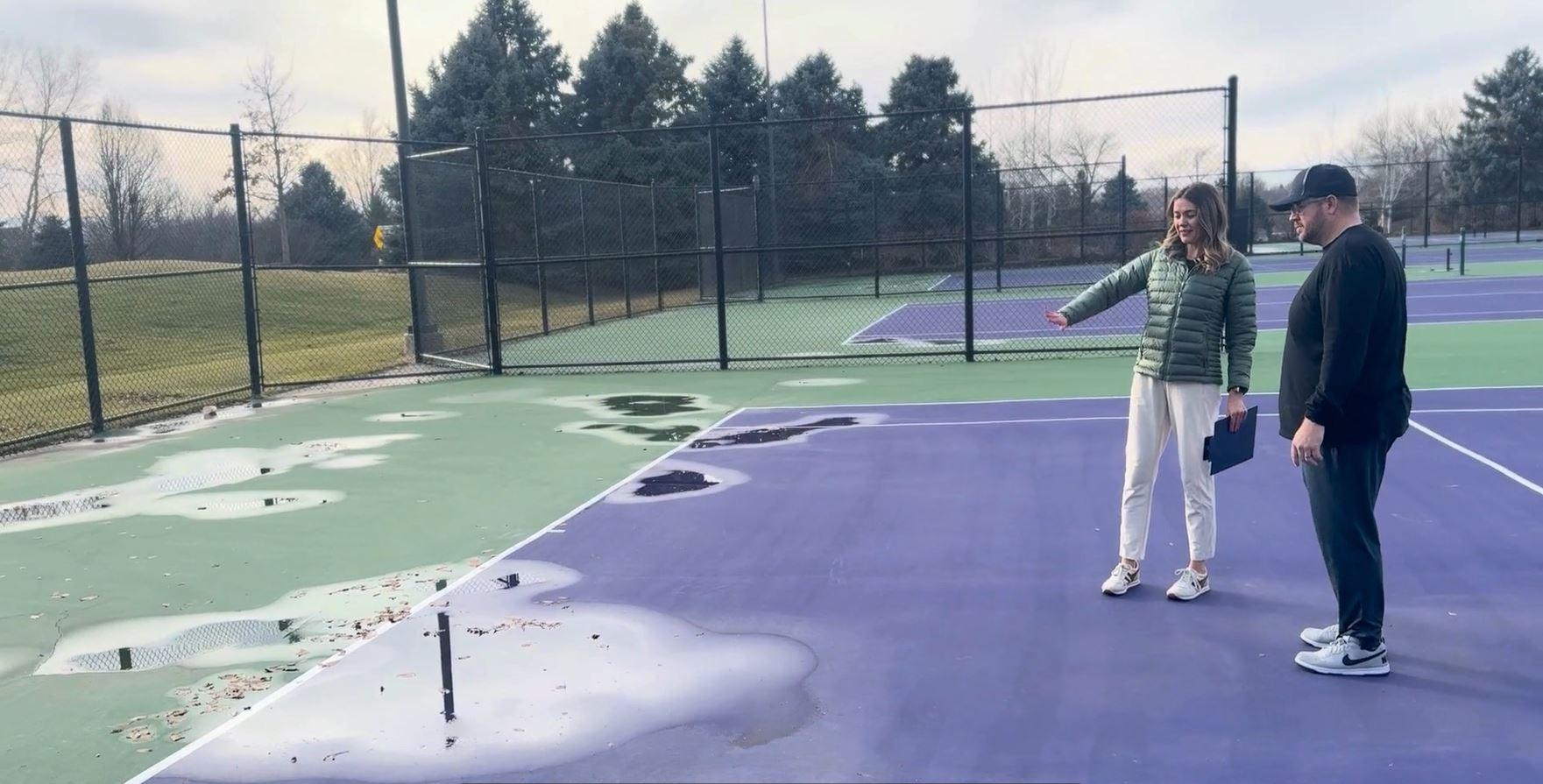
Water infiltration. This is the biggest one by a wide margin. When water gets under the court, it weakens the asphalt binder, accelerates cracking, and eventually compromises the base. Once that happens, you are no longer dealing with a surface problem.
UV exposure. Breaks down surface coatings over time. More of an issue in high-sun climates, but relevant everywhere.
Freeze-thaw cycles. In northern states, water expands when it freezes and contracts when it thaws. That movement works cracks open and, over time, weakens the base. The farther north you go, the more aggressively this needs to be managed.
Usage patterns. Baselines and service boxes take far more punishment than the rest of the court. High-traffic entry points wear quickly too. Wear is not random, and understanding where it concentrates helps you plan.
Early Warning Signs to Act On
Courts give you plenty of warning before they become serious problems. Most facilities just do not act on those signals early enough.
Watch for:
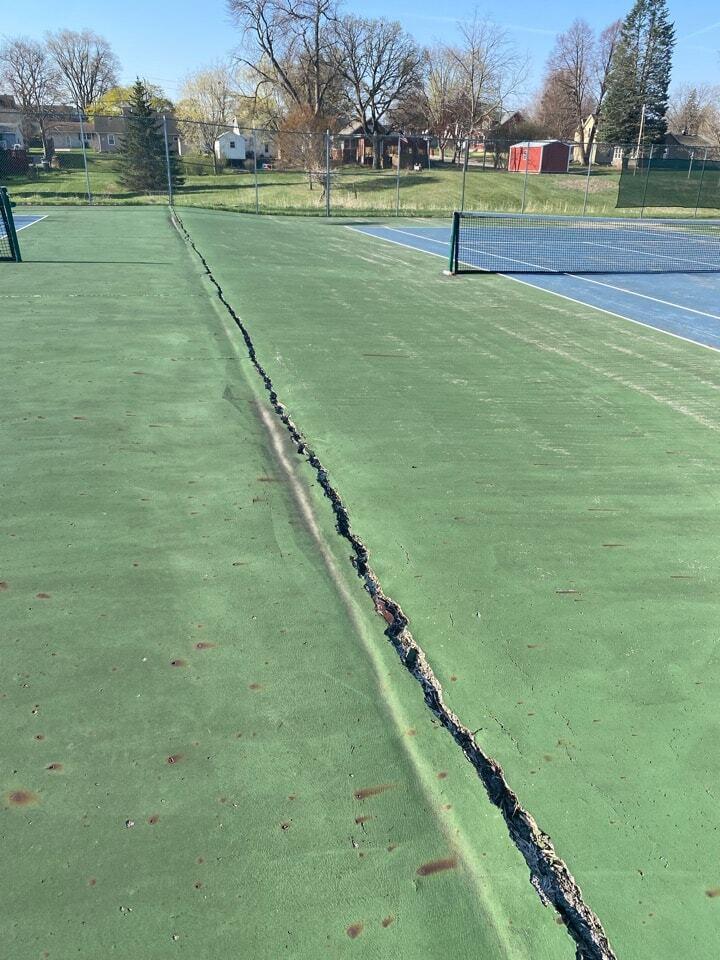
- Hairline cracks that reappear every season
- Surface fading or a chalky, dried-out texture
- Low spots (birdbaths) where water pools after rain and does not drain within an hour
- Loss of grip or texture in high-play areas
- Crack repairs that keep reappearing in the same places
None of these are disasters on their own. But they are early indicators of what is happening underneath, and they are far cheaper to address now than later. The difference between a modest repair and a full rebuild is almost always timing.
Drainage: The Single Biggest Factor in Court Longevity
If there is one thing to get right with a tennis court, it is this.
Water does not just sit on the surface. It works its way into cracks, gets under the court, and starts doing damage where you cannot see it. It weakens the asphalt binder, causes cracking, and can create hydrostatic pressure underneath the slab that pushes up through the surface.
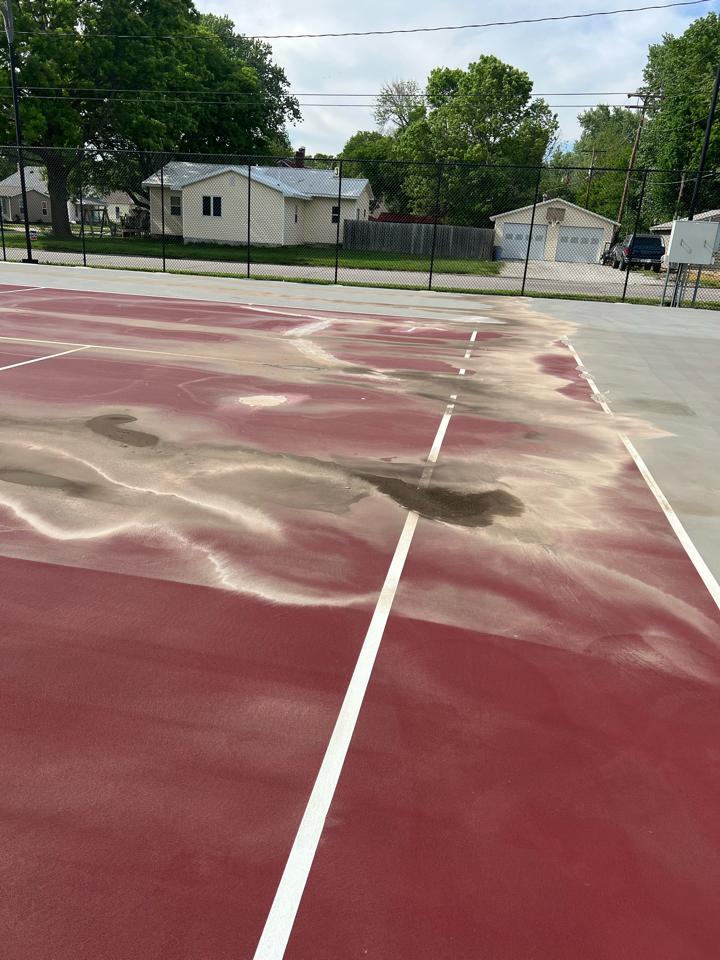
On concrete courts, you can sometimes spot moisture issues through efflorescence, the white chalky residue that appears when water is being pushed up through cracks. On asphalt courts, look for areas where the same cracks reopen repeatedly, especially near slopes or hillsides around the court perimeter. Those terrain features can concentrate groundwater pressure underneath the slab.
What to watch for in your drainage assessment:
- Water still sitting on the court more than an hour after rain
- The same spots pooling consistently after every rain event
- Cracks forming along the same drainage paths over and over
- Any area where the court surface feels soft or spongy underfoot
When water consistently pools in the same locations, you are not dealing with a cleaning issue or even a surface issue. You have a slope or base problem. Patching the surface will not fix it. The underlying drainage issue has to be corrected, or any resurfacing work is temporary at best.
Pro Track & Tennis includes a drainage and base evaluation in every site assessment. If moisture is the real problem, we say so before recommending any surface work.
Crack Repair: When It Buys You Time, and When It Does Not
Not all cracks are equal, and not all crack repairs are the same.
When crack repair is the right call
Early-stage cracks with a stable base and no active water issues underneath are good candidates for repair. If the base is sound, quality crack repair can buy you meaningful additional life before resurfacing is needed.
When it is not enough
If the same cracks keep reappearing in the same locations, that is the base moving underneath you. If water is getting in, you are not sealing out the problem, just delaying it. Crack repair in those conditions is a temporary measure at best.
What actually works
Systems like ARMOR is designed to bridge cracks with a flexible material that moves with the slab as it expands and contracts with temperature changes. A rigid patch will re-split. A properly installed flexible system will not, and PTT backs its ARMOR installations with a five-year warranty against telegraphing.
The cost can add up quickly on a court with significant cracking, sometimes exceeding the color coating portion of the project itself. It is worth budgeting for it honestly rather than cutting corners and having cracks reappear before the season is over.
The key is that crack repair only works when you address the cause, not just the symptom. If drainage is the issue, fix the drainage. If the base is moving, that needs to be part of the conversation.
Routine Maintenance That Actually Extends Court Life
There is nothing complicated about ongoing maintenance. Consistency is the only thing that matters.
Year-round
- Blow off debris regularly: leaves, dirt, and sand hold moisture against the surface
- Remove standing water when possible
- Keep a simple log of any new cracks or changes in surface condition so you can track whether issues are progressing
Seasonal focus
- Spring: inspect for winter damage and any new drainage issues after freeze-thaw season
- Summer: monitor surface wear and heavy-use areas
- Fall: clean thoroughly and seal any new small cracks before winter
- Winter: limit use in freezing conditions; ice on a cracked surface accelerates damage
Cleaning basics
- Use soft brooms or blowers rather than stiff brushes that can damage the surface
- Avoid harsh chemicals
- Pressure washing can be helpful but do not overdo it or use excessive pressure on coatings
Courts that are neglected do not wear faster because of heavy use. They fail faster because small problems go unaddressed until they become expensive ones. Consistent, low-cost upkeep is always cheaper than reactive repairs.
Resurfacing: The Most Cost-Effective Tool You Have
This is the decision that makes the biggest financial difference over the life of a tennis court, and it almost entirely comes down to timing.
What resurfacing actually does
Resurfacing is not cosmetic. It restores traction and playability, yes, but more importantly it seals out water and UV damage and gives the base another cycle of protection. When you resurface at the right time, you are protecting the structural investment underneath. When you wait too long, the base starts taking damage that no surface treatment can fix.
When to do it
The right window depends on usage, climate, and how well maintenance has been done. Do not anchor your decision to a fixed calendar. Watch the surface condition and watch the base. When wear is consistent across the court and before cracks and water infiltration become widespread, that is the window.
What it costs
Resurfacing a single tennis court typically runs in the range of $20,000 to $25,000 or more, depending on the extent of crack repair needed, whether cushion systems are added, and other site-specific factors. A full rebuild, when the base has failed, starts around $75,000 and can go well beyond that depending on scope.
That gap is where almost every facility budget conversation should be focused. The math on resurfacing at the right time versus waiting until you need a rebuild is not close.
Pro Track & Tennis provides both resurfacing and rebuild options with a clear written proposal for each, so you can see exactly what each path costs and decide based on your budget and timeline. Our crews are in-house, which means you are not dealing with subcontractors who lose accountability the moment they leave.
High-Wear Areas: Where to Focus Attention
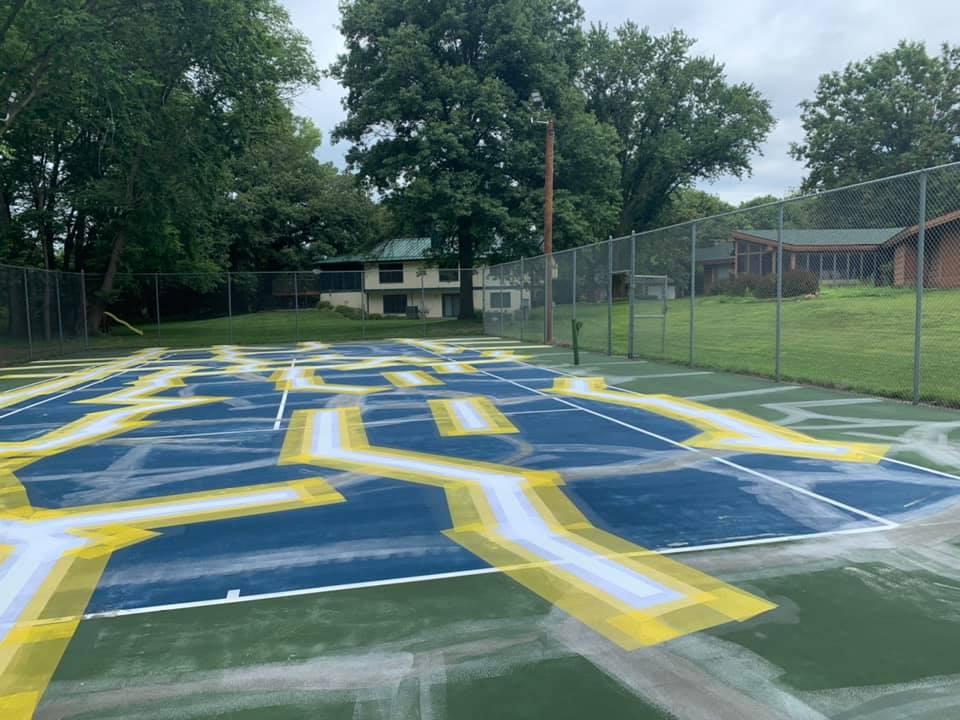
Wear on a tennis court is not uniform. It concentrates in predictable spots.
- Baselines see the most foot traffic and lateral movement
- Service boxes take repeated impact
- Net areas get consistent use in doubles and mixed play
- Entry points wear quickly, especially if players drag feet or equipment is wheeled across
Operationally, rotating court usage where possible slows wear in any single area. Limiting non-tennis activity on court surfaces, especially vehicles or heavy equipment crossing, makes a real difference. These are small decisions that add up over years.
Repair vs. Resurface vs. Rebuild: Making the Right Call
This is the decision that matters most, and the biggest mistake facilities make is basing it on what the surface looks like rather than what is happening underneath.
Repair
Best for isolated, early-stage issues on a stable base. A short-term fix that buys time. Only effective when the base is not moving and drainage is not compromised.
Resurface
The best return on investment when the base is sound. Restores playability, protects the base, and resets the maintenance cycle. This is the option that saves facilities money over time.
Rebuild
Required when the asphalt is crumbling to the point where coatings will not adhere, when drainage is fundamentally broken, or when the base has heaved or shifted beyond repair. Highest cost, but it is the only option when the base is truly gone. In northern climates, freeze-thaw damage can push courts to this point faster than most facilities expect.
Lance Laurent, President of Pro Track & Tennis, puts it directly:
“Our niche is repairing existing courts and we’re really good at it. To be completely beyond repair, it would be a condition where the asphalt was really crumbling apart and there’s no way to really prep it. Our coatings would fail within weeks or a couple months. That’s the determination. We can make something that looks horrible look really good and playable, and breathe life into it. But if it’s breaking down to the point where our products won’t even stick, that’s when it determines that you have to tear it out and rebuild it.”
Climate Matters: Regional Considerations
Pro Track & Tennis works across 25+ states, and the maintenance priorities are genuinely different by region.
Cold climates: Freeze-thaw cycles are the dominant threat. In northern states, you will see more cracking, more heaving, and more aggressive base damage than anywhere else. Sealing cracks before winter is not optional here, it is essential. Install and resurfacing windows are shorter too: coatings cannot be applied below 60 degrees or on damp surfaces, which limits work primarily to summer months in northern states.
Hot and high-UV climates: Surface breakdown from UV exposure is faster. Resurfacing cycles may need to be shorter, and UV-stable topcoats are worth the investment.
Wet and humid climates: Drainage management and algae control are the primary maintenance concerns. Courts in these environments need more frequent inspections of drainage and surface condition.
Material selection and installation quality show up most clearly over time in harsh climates. A contractor who has worked extensively in your region will make better recommendations than one who has not.
Maintenance Planning and Budget Expectations
The goal of a good maintenance plan is not to eliminate costs. It is to make them predictable and keep reactive spending to a minimum.
Typical annual costs
- Cleaning and minor upkeep: $1,000 to $5,000 per year
- Crack repair (ARMOR): $20 to $22 per linear foot, varies with extent of cracking
- Resurfacing: $20,000 to $25,000 or more per court depending on scope
- Full rebuild if base fails: $75,000 and up
Planning approach
- Inspect annually and document what you find
- Budget resurfacing based on condition assessment, not a fixed calendar
- Plan ahead rather than reacting, reactive spending consistently costs more
Facilities that get ahead of their maintenance cycle spend less over time. That is not a general claim. It is what we see repeatedly when comparing projects that came to us early versus ones where damage had been building for years.
Common Mistakes That Shorten Court Life
None of these cause immediate failure. All of them shorten the lifespan of the court and increase the total cost of ownership.
- Ignoring drainage issues and treating them as a surface problem
- Delaying crack repair past the point where it is still effective
- Treating resurfacing as cosmetic rather than structural protection
- Allowing non-tennis use: vehicles, bikes, or heavy equipment crossing the surface
- Hiring contractors who do not specialize in court work or who sub out installation to crews they do not control
That last point matters more than most facility managers realize. A contractor using in-house crews is accountable for the quality of the installation from start to finish. When work gets subcontracted, that accountability disappears.
Frequently Asked Questions
How long should a tennis court last?
The structural base can last 20 to 30 years or more when it stays dry and stable. The surface system needs maintenance and periodic resurfacing on a schedule that depends on usage, climate, and maintenance consistency.
What is the most effective way to extend court lifespan?
Consistent cleaning, early crack repair before problems spread, and resurfacing at the right time. The single biggest factor is keeping water out of the base.
How do I know if resurfacing is enough or if I need a rebuild?
If the base is stable and drainage is working, resurfacing is almost always the right move. If the asphalt is crumbling to the point where coatings will not adhere, or if drainage is fundamentally broken, a rebuild is the only real option. A site assessment will tell you which situation you are in.
What causes early failure?
Water infiltration, almost always. Either from surface drainage problems, hydrostatic pressure from surrounding terrain, or cracking that allowed water into the base over time.
How long does resurfacing take?
For a single court, typically around a week to just under two weeks depending on scope, crack repair needed, and weather conditions. On multi-court sites, work can be staged so some courts stay in play while others are being done.
Get a Clear Assessment Before You Decide
At some point, you need more than general information. You need a clear answer about your specific court: whether the base is still sound, whether water is getting underneath, and how much useful life you realistically have left.
Pro Track & Tennis has completed 1,000+ court and track projects across 25+ states. Our crews are in-house, which means consistent quality and real accountability. We are an ASBA member and we provide a written proposal with both resurfacing and rebuild options, so you can make an informed decision based on actual costs and conditions.
If you are trying to decide between repair, resurfacing, or a rebuild, call us at 402-761-1788 or reach out at info@protrackandtennis.com. We will walk your court, give you an honest assessment, and tell you exactly what we see.