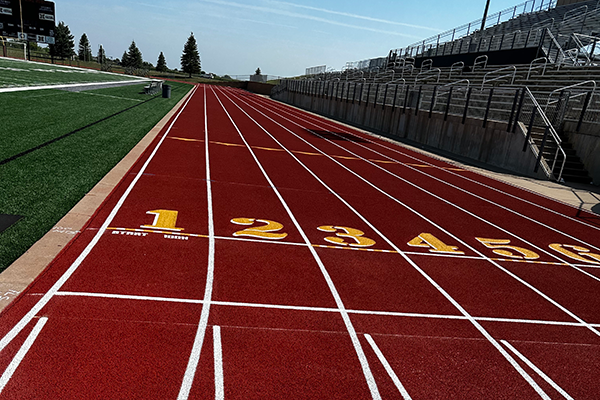
Running tracks come in all shapes and sizes, but when it comes to performance and lifespan, it’s the surface that counts.
Choosing the right material is key to achieving the right balance of athletic performance, safety, and cost-effectiveness based on your priorities.
The two most popular options are latex running tracks vs all-weather tracks. Understanding their differences will help you make an informed decision so that your next running track surface aligns with your athletic goals and financial considerations.
Introduction: Choosing the Right Running Track for Your School
Choosing the right running track surface for your school is a decision that goes far beyond aesthetics—it directly impacts the performance, safety, and satisfaction of your athletes. With so many track surfaces available today, it’s important to weigh factors like durability, maintenance needs, and your school’s budget to ensure you select the best track surface for your facility. In recent years, synthetic track surfaces have gained popularity in schools and athletic facilities around the world, thanks to their numerous benefits. These include enhanced performance, improved safety, and reduced maintenance compared to older track materials. Whether you’re building a new running track or upgrading an existing one, understanding the different types of track surfaces can help you create a facility that supports your athletes and stands the test of time.
What Are Latex Running Tracks?
Constructed with a latex binder mixed with rubber granules, latex tracks are known for their smoothness, high performance, and elasticity. This layered construction method is referred to as a latex system, which enhances both durability and performance. Their soft surface enhances speed and reduces impact on athletes’ joints, lowering injury risk.
Latex systems are commonly used in competitive school and collegiate settings due to their reliable performance and safety standards. These tracks are the winning choice for competitions at the highest level, and athletes can feel the difference. Latex tracks are professionally installed to ensure optimal performance and longevity.
Advantages of latex tracks include:
- Superior Performance: The cushioned surface provides excellent shock absorption, promoting faster times and reducing fatigue.
- Durability: With proper maintenance, latex systems are designed to withstand wear and not easily break down over time, and can last up to 20 years.
- Customization: Available in various colors and designs to match school branding.
So, what’s the catch? The biggest drawback is that latex tracks usually require more frequent maintenance, such as resealing, to maintain their optimal and most competitive condition, which can lead to higher long-term costs. The protective coating applied to latex tracks is essential for maintaining durability and resistance to environmental damage.
Creating a latex running track involves careful material selection, layered construction, and final surfacing to ensure both functionality and aesthetic appeal.
What Are All-Weather Tracks?
All-weather tracks are a reliable choice for schools seeking a balance between performance and budget.
Most running tracks in modern schools are all-weather or synthetic surfaces, professionally installed to ensure longevity and optimal performance. All-weather tracks are typically constructed with a polyurethane system as the binder, which is combined with materials such as asphalt, rubber, and sand to form a durable, weather-resistant surface. Asphalt is commonly used as the foundational base layer, providing a stable and long-lasting platform for the track surface. The combination of these materials results in a resilient track that can withstand heavy use and varying weather conditions. Some all-weather tracks are impermeable, meaning they prevent water infiltration and require proper drainage systems to maintain a dry running surface suitable for high-level competitions. These tracks are utilized in a variety of athletic facilities and events, offering versatility and reliability. Other types of track surfaces, such as cinder or natural grass, are available but are less common due to their higher maintenance needs and lower performance characteristics.
Some key benefits of all-weather tracks include:
- Weather Resistance: Consistent performance in rain, snow, or extreme temperatures.
- Low Maintenance: Require less frequent upkeep compared to latex tracks.
- Cost-Effective: Generally more affordable to maintain.
All-weather tracks are an effective and budget-friendly choice for long-term use at schools, universities, and more. When properly maintained, they can last beyond 20 years.
Exploring Synthetic Track Options
Synthetic track options have transformed the landscape of school athletics, offering surfaces that are both durable and high-performing. The most widely used synthetic track surfaces include polyurethane systems, latex systems, and rubber running tracks. Polyurethane systems, such as the Base Mat and Structural Spray System, are renowned for their exceptional durability and consistent performance, making them a top choice for high schools and collegiate-level facilities aiming for the best track surface. Latex systems provide a more budget-friendly solution, delivering reliable performance and resilience for schools looking to maximize value. Rubber running tracks, constructed from rubber particles and granules, create a resilient surface that can handle heavy use and frequent events. When considering synthetic track options, it’s important to evaluate the type of system, the materials used, and the maintenance requirements to ensure your running track meets the needs of your athletes and your facility for years to come.
Understanding Running Track Construction
Running track construction is a multi-layered process designed to create a safe, high-quality surface that delivers lasting performance. The foundation of any running track is the base mat, which provides stability and durability for the entire system. On top of this, a structural spray layer is applied to enhance grip and protect the underlying materials. The final step is the flood coat, typically made from polyurethane or latex, which binds the layers together and creates a smooth, even running surface. Each layer plays a crucial role in the overall quality and safety of the track. Working with certified track builders ensures that every aspect of the construction process—from material selection to installation—is handled with expertise, resulting in a running track that meets the highest standards for performance and durability.
Comparing Performance: Latex vs. All-Weather Tracks
Here’s what to think about when you’re deciding between latex running tracks vs all-weather tracks:
- Speed and Comfort: Both latex and all-weather track surfacing options are engineered to deliver the best performance for athletes. Latex tracks offer a smoother, more elastic surface, enhancing athlete speed and reducing joint strain—a key benefit for those seeking comfort and quick times. All-weather tracks, while durable and gripping, may not provide the same level of cushioning, but their benefit lies in consistent traction and reliability.
- Weather Resistance: All-weather track surfacing is resilient in a broader range of weather conditions, maintaining performance well even in extreme climates. This benefit is especially valued by coaches and clients who need reliable surfaces for year-round training and competition.
- Maintenance: Latex tracks require more frequent maintenance to preserve their quality, whereas all-weather tracks are more durable and require less upkeep—a benefit for those looking for longevity and reduced long-term costs.
- Cost: Both tracks can have a similar upfront cost, but lifetime maintenance costs for latex tracks tend to be higher than all-weather tracks, making the latter a cost-efficient benefit for many facilities.
The choice of track surfacing directly impacts speed, comfort, and safety for athletes. Coaches rely on high-quality track surfaces to support athlete training and performance, ensuring the best possible outcomes.
Considering these factors can help you choose the track surface that best meets your athletic goals and desired budget.
Safety Considerations for School Tracks
Safety is at the heart of every successful school track project. When designing and constructing a running track, it’s essential to choose a resilient surface that minimizes the risk of injury and supports athletes of all ages and abilities. Key safety factors include selecting the right track material, ensuring proper track width and lane markings, and incorporating features like field event runways and jump pits for a complete athletics facility. Regular maintenance is also vital to prevent hazards such as cracks, uneven surfaces, or worn areas that could compromise athlete safety. By prioritizing these considerations and partnering with certified track builders, you can create a running track that not only meets the needs of your school’s sports programs but also provides a safe, supportive environment where athletes can play, train, and compete with confidence.
Cost Analysis: Which Track Fits Your Budget?
The cost of installing a running track varies based on the chosen surface material and other factors, like the design and size. The production process and the quality of materials used can significantly influence the overall cost, as advanced manufacturing methods and high-quality materials may increase initial expenses but improve durability and performance. Here’s a general breakdown:
|
Track type |
Installation cost per sqft |
Maintenance cost |
Lifespan |
|---|---|---|---|
|
Latex |
$6 – $12 |
Higher |
10–20 years |
|
All-weather |
$8 – $15 |
Lower |
15–20+ years |
Polyurethane is more expensive than latex, which is why all-weather tracks can have a slightly higher upfront cost. However, it is also more durable, and latex tracks are expected to need more maintenance over their lifetime.
Durability & Maintenance: Long-Term Value for Your School
Choosing a track material with the right durability and maintenance needs ensures you get the best long-term value for your program.
Both latex tracks and all-weather tracks are durable when maintained, but their upkeep needs differ:
- Latex Running Tracks: Require regular maintenance, such as resealing and applying a protective coating, to maintain their elasticity and appearance. This coating helps prevent the surface from breaking down due to wear and tear. Without proper upkeep, they may crack and expose the underlying base.
- All-Weather Tracks: Designed to withstand various weather conditions with minimal maintenance and are engineered to resist break over time. Occasional cleaning and inspections are typically sufficient to keep them in good condition.
Latex tracks are also generally more susceptible to fading from high heat or moisture, whereas all-weather tracks are built to withstand environmental extremes.
Which Track Is Best for Your School?
The best track surface for you depends on your priorities:
👟 Latex running tracks are the best choice for schools prioritizing performance and willing to invest in regular maintenance. It’s ideal for competitive athletics programs looking to provide the most elite-level facility possible.
⛈️ All-weather tracks are better for schools seeking a more cost-effective, practical solution with lower maintenance requirements in more severe climates. These tracks are suitable for general use under a broader range of weather conditions.
Assessing your program’s athletic goals, budget, and maintenance capabilities will guide you in selecting the appropriate track surface.
Why Pro Track and Tennis Should Be Your Partner in Track Installation
Pro Track and Tennis has completed hundreds of custom projects installing and resurfacing both latex and all-weather tracks. Our expertise in track surfacing ensures that every project meets the highest standards of durability and performance. Our tracks are utilized in a variety of athletic facilities, from local schools to professional stadiums.
In our 20+ years of experience, we’ve earned the trust of clients including schools, universities, and communities across the Midwest and Southern U.S. by consistently delivering top-tier results and ensuring athlete safety. We have extensive experience in creating custom running track solutions tailored to the unique requirements of each client.
We can help you through every step of running track installation and resurfacing, with:
- Custom Solutions: We tailor every design to meet your specific needs and budget, with our experienced team involved in every stage of the project.
- Expert Installation: Our skilled in-house team will install your track to ensure high-quality, consistent construction.
- Comprehensive Support: We support you throughout the track’s lifespan, from initial consultation to ongoing maintenance.
Get in touch with us to ensure your track enhances athletic performance and stands the test of time.

Ready to Build or Resurface Your Track? Contact Us Today!
If you’re thinking of installing or resurfacing a running track, now’s the perfect time to bring that idea to life.
Hopefully you’ve gained some clarity on which track material is best suited for your needs, but if you’d like more personalized advice, we’re happy to provide it.
Contact Pro Track and Tennis for a free site assessment, custom quote, expert consultation to help you navigate every step of the process with confidence. Learn more about our tennis court expertise here too.
👉 Contact us and transform your athletic vision into reality