
Community Courts
Tennis Court ADA Compliance: What You Actually Need to Know
Updated on
·
8 min read

Published by
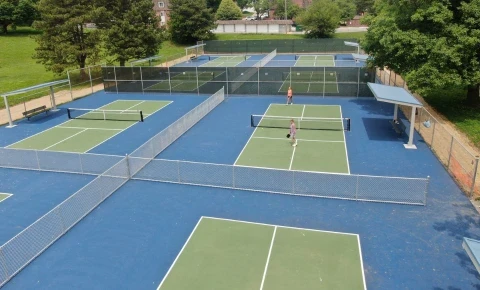
Managing public tennis courts means dealing with ADA compliance. Here’s how to handle it without overspending or overthinking.
What matters: which requirements actually apply, when to address them, and when you’re making this harder than it needs to be.
Quick context: Pro Track & Tennis resurfaces and rebuilds courts. We don’t do standalone ADA retrofits, but we handle compliance upgrades all the time during resurfacing projects. Why? Because that’s when it makes financial sense — equipment’s already there, surface is already being prepped, and you’re not paying twice for the same disruption.
Understanding Your Real Problem
Before diving into requirements, let’s be clear about what’s actually at stake. ADA compliance is not just about funding and competition—it’s about meeting the requirements of the law, which prohibits discrimination against individuals with disabilities. Failing to comply can result in discriminatory practices and legal consequences.
Funding barriers: Many grants require documented ADA compliance. No compliance, no money.
Escalating costs: Piecemeal fixes year after year cost more than doing it right once.
Competitive disadvantage: When neighboring facilities are compliant and yours aren’t, you lose events, users, and revenue.
Legal exposure: The law prohibits discrimination against individuals with disabilities. Non-compliance can lead to discrimination claims and expensive legal problems, often resulting from ignoring known issues.
The solution isn’t panic. It’s planning.
The Real Deal About ADA Requirements
The ADA requires “readily achievable” barrier removal — in plain language, if it’s not overly expensive or complicated relative to your resources, you should fix it.
For tennis courts, compliance comes down to a few areas that matter most.
Gates That Work
Minimum 32-inch clear width
60” × 60” level landing for maneuvering
Hardware operable with one hand (no tight grasping or pinching); operating mechanisms must be accessible and meet ADA requirements for operation.
Self-closing gates that stay open at least 5 seconds
Why it matters: Gates are the first thing inspectors check, and one of the most common complaints from users. Addressing them during resurfacing is efficient — you’re already working on surface levels and edges.
Gates should be located along an accessible route that connects all key areas of the facility.
Paths That Are Usable
Running slope ≤ 5%
Cross slope ≤ 2%
Surface must be firm, stable, and slip-resistant
Ramps may be required where slopes exceed ADA limits, and selecting appropriate surface materials—such as rubber, concrete, asphalt, wood, or synthetic turf—is essential to ensure accessibility.
Common issue: Decorative pavers or gravel paths. They might look nice, but if they shift or don’t provide a stable surface, they fail compliance.
The Playing Surface
No lips or cracks over ¼ inch — the court surface must be free of barriers and suitable for sports activities
No standing water — “birdbaths” are compliance failures, not just cosmetic
Lines must have enough contrast for visibility
ADA requirements apply to all sports surfaces, including tennis courts, to ensure accessibility for various sport and sports activities.
Good news: Standard resurfacing addresses most of this. Crack repair, drainage adjustment, and restriping are part of the process.
Some sports facilities use synthetic turf as an accessible surface option, especially for sports like soccer and football, providing a flat and safe playing area.
Spectator Seating
Wheelchair spaces must be integrated, not separate
Companion seating must be adjacent
Clear sight lines over standing spectators
Stable, level surfaces at viewing positions
Fixed benches with back support should be provided in seating areas to accommodate all users
Team player seating areas must include accessible spaces for wheelchair users and companion seats
Clear floor space is required around seating areas for accessibility and ease of movement
Bleachers without wheelchair positions, or with wheelchair users placed away from the group, are not compliant.
Accessible benches with proper support and back support should be included in seating and adjacent areas to ensure comfort and accessibility for all users, including team members and spectators.

Court Dimensions and Layout: Getting It Right
When it comes to ADA compliance, the layout and dimensions of your tennis courts are just as important as the surface and access points. The Americans with Disabilities Act requires that all public accommodations—including commercial facilities, community associations, and recreational facilities—provide accessible routes and usable spaces for individuals with disabilities.
**What does this mean for your courts?**First, the overall court dimensions must allow for accessible routes to and from the playing area. This includes ensuring there’s enough clear space around the court for wheelchair users to maneuver safely and comfortably. For example, pathways leading to the court should be at least 36 inches wide, with wider areas at turns or entry points. Access routes should connect parking, restrooms, and spectator areas without barriers.
When Resurfacing Isn’t Enough
Sometimes your courts are too far gone for resurfacing to fix. If the base asphalt is failing, if moisture is pushing coatings off, or if previous resurfacings have already failed, compliance improvements won’t hold.
Signs a rebuild is required:
Asphalt base breaking apart
Multiple failed resurfacing attempts
Base movement that keeps reopening cracks
Surface too degraded for coatings to bond
Major construction may be necessary to meet current standards and ensure long-term durability and compliance
Cost reality check:
Resurfacing: around $20,000 per court
Complete rebuild: around $75,000 per court
ARMOR crack repair: cost depends on the linear footage of cracking (buys ~5 years of life)
The expense of reconstruction should be carefully considered and weighed against the benefits of achieving long-term ADA compliance and improved safety.
If you’re facing widespread cracking or structural failure, it’s usually more cost-effective to rebuild.
The Moisture Problem
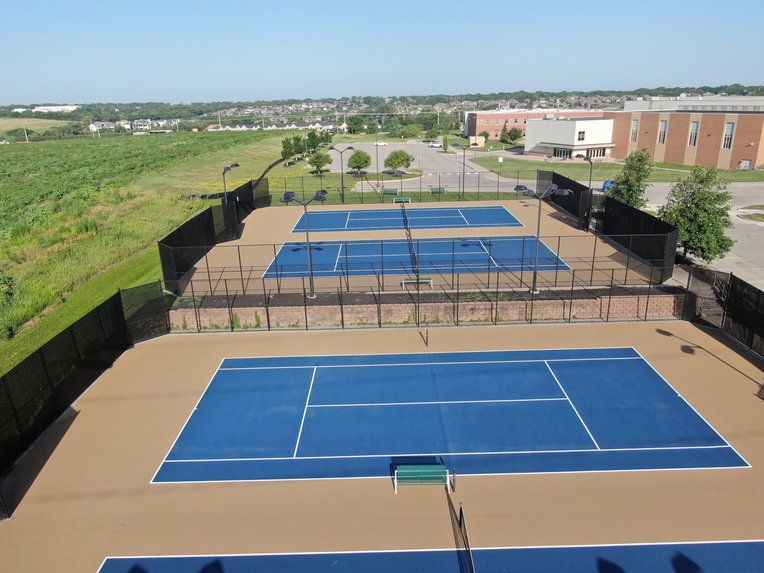
Moisture is one of the biggest threats to both surfaces and compliance. Water pushing through the slab can bubble coatings, create slip hazards, and undo ADA fixes.
What to watch for:
Dark spots that stay damp
Bubbling or peeling after rain
Slippery growth in shaded areas
Courts built near slopes or hillsides
If you’ve got serious water issues, fixing the drainage comes first. Otherwise, you’re just wasting money on surface fixes that won’t last. You can’t completely eliminate moisture issues, but good drainage design and proper primers reduce the risk.
Practical Assessment: What to Check Today
Grab a tape measure and walk your courts.
Gates and Access:
Gate openings ≥ 32”
60” × 60” landing area in front of gates
Hardware operable with one hand
Self-closing gates allow at least 5 seconds before closing
Surface Issues:
No cracks or lips over ¼ inch
No standing water after rain
Lines visible with clear contrast
Transitions to walkways flush and stable
Spectator Areas:
Wheelchair spaces integrated with seating
Companion seating directly next to wheelchair spaces
Clear sight lines at wheelchair height
Accessible parking and restrooms within reach
If locker rooms are present, ensure accessible lockers are available and located near accessible benches
Exercise Equipment (if present):
Ensure clear floor space around more than one piece of exercise equipment, with at least three sides accessible for transfer and use by disabled persons
Rule of thumb: If you find three or more issues, it’s time for a professional assessment. The goal is to provide accessibility for every person using the facility, including all participants and disabled persons. Fixing multiple issues separately is more expensive than bundling them with resurfacing.
Planning a resurfacing project? Ask us to include a free ADA compliance review. It’s the most cost-effective time to handle upgrades.
Why Resurfacing Is the Right Time for ADA Work
Bundling ADA upgrades with resurfacing is the most efficient way forward.
Equipment and crews are already on-site
Surface prep naturally addresses many compliance issues
One timeline and one budget request instead of multiple disruptions
Warranty coverage for both resurfacing and ADA improvements
Bundling projects reduces overall expense for communities and associations, making compliance more affordable
For example, widening a gate during resurfacing may add $1,500. Doing it as a separate project later can cost several times more due to mobilization and permitting.
When to Act — and When to Plan
Move quickly if:
You have major safety hazards (lips, pooling water)
You’ve received complaints or accommodation requests
You’re already planning resurfacing
You need compliance documentation for funding
Plan for later if:
Issues are minor and not safety-related
Courts are playable and budget is tight
You’re a few years away from resurfacing
The facility has limited access (e.g., only for residents or members), which may affect compliance requirements
Either way, document:
Photos with dates
Measurements of issues
Any complaints or requests
Your improvement plan, even if phased
Documentation is intended to show good faith effort and protects your facility.
The Questions Facilities Ask
Q: We’re a small facility. Do we really need to worry?
A: If you’re open to the public or host public events, yes. Facilities such as clubhouses, pools, animal containment areas, and other amenities are examples of areas that may require compliance. But “comply” doesn’t mean “fix everything immediately.”
Q: Aren’t old courts grandfathered in?
A: Not when you resurface. Alterations trigger “readily achievable” barrier removal. Natural amenities like nature trails may also trigger ADA requirements if they are open to the public.
Q: Can we phase improvements?
A: Yes. Handle safety-critical items first, then work through others. Document the plan.
Q: What if full compliance isn’t possible?
A: Document why with professional assessments. Make the maximum feasible improvements.
Q: Will insurance cover ADA upgrades?
A: Usually not. But documenting improvements strengthens your position if incidents occur. Residents with disabilities are protected by ADA requirements, so compliance is important for their rights.
The Bottom Line
ADA compliance isn’t about perfection. It’s about removing barriers where practical, documenting your efforts, and making smart upgrades when the timing is right. This advice applies to all sports facilities, not just tennis courts, ensuring accessibility across a wide range of recreational environments.
For most facilities, resurfacing is the opportunity to take care of ADA improvements in one efficient project. It saves money, reduces disruption, and puts compliance on a solid foundation. The American Sports Builders Association is an excellent resource for guidance on ADA compliance and construction standards for sports facilities.
We’ve completed 1,000+ projects across 25+ states. Facilities that bundle ADA work with resurfacing typically spend less than they would doing the projects separately, because the crew mobilizes once.
Contact Pro Track & Tennisfor an ADA compliance assessment during your resurfacing evaluation. We’ll give you a clear picture of what’s required, what can wait, and how to handle it cost-effectively.
Pro Track & Tennis: Resurfacing and rebuilding courts across 25+ states with compliance built into every project.
Get a Free Assessment for Your Court or Track
Our in-house crews have completed 1,000+ projects across 25+ states. Tell us about your facility and we will inspect the surface and give you a straight plan and quote.
Get Free Assessment
»
About the Author
Marketing Manager, Pro Track & Tennis
Recent Blog Posts
Discover More →
•
8 min read
Plan your fall court and track resurfacing project: when to book, how budget cycles fit in, and how to sequence multiple surfaces.
•
8 min read
Your tennis court cracked again after resurfacing? Learn why reflective cracking happens and what actually stops an old crack from reappearing.
•
7 min read
Learn how tennis court resurfacing timing affects downtime, from weather windows to phasing multi-court facilities without closing everything at once.
•
7 min read
TYPTI vs. pickleball for clubs: court, equipment, and rules differences, plus a decision framework on adding TYPTI or switching entirely.
•
10 min read
How to host TYPTI at your club: equipment, court readiness, programming, marketing, and the revenue model, compared to pickleball benchmarks.