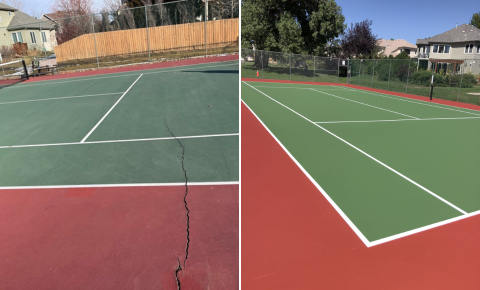
In 2026, we have access to better, smarter, and more durable materials for resilient and flawless tennis court resurfacing.
When considering a tennis court resurfacing project, it is important to look for professionals who are recognized by the American Sports Builders Association (ASBA), as this certification is a mark of credibility and expertise in the industry.
The choice of surface type and several factors such as climate, usage, and material quality play a crucial role in the success and longevity of tennis court resurfacing. There are a variety of tennis court surfaces available, including hard court, clay courts, and synthetic grass, each defined by its specific surface material, which directly impacts performance and maintenance needs. The court’s surface—whether it is a hard court, clay courts, or synthetic grass—significantly impacts playability, safety, and maintenance requirements, and the choice of the court’s surface is essential for optimal performance and upkeep. These common options each offer unique characteristics that affect the speed, bounce, and overall experience of the game. Blended lines can be added to many tennis courts to accommodate other sports, increasing the versatility and functionality of the court. Player comfort is also a key consideration when selecting a surface material, as it can enhance shock absorption and reduce injury risk.
But with great power comes great responsibility, and it’s more important than ever to avoid the common mistakes that can sabotage your tennis court resurfacing project. Many schools, municipalities, and homeowners’ associations (HOAs) end up wasting resources or shortening the lifespan of their courts due to preventable errors. In fact, many tennis courts are underutilized, and resurfacing provides an opportunity to transform these spaces for multi-sport use. Knowing when and how to resurface a tennis court is crucial for maintaining optimal performance and longevity. Achieving professional results in tennis court resurfacing requires specialized equipment to ensure the job is done right. It is also essential to hire a reputable tennis court contractor who can accurately assess the project and deliver quality resurfacing.
At Pro Track and Tennis, we see others repeating the same tennis court resurfacing mistakes year after year. We want to help you get it right, and in this article, we’ll break down the top 5 tennis court resurfacing mistakes to avoid in 2026, along with some expert tips to extend your court’s life and performance.
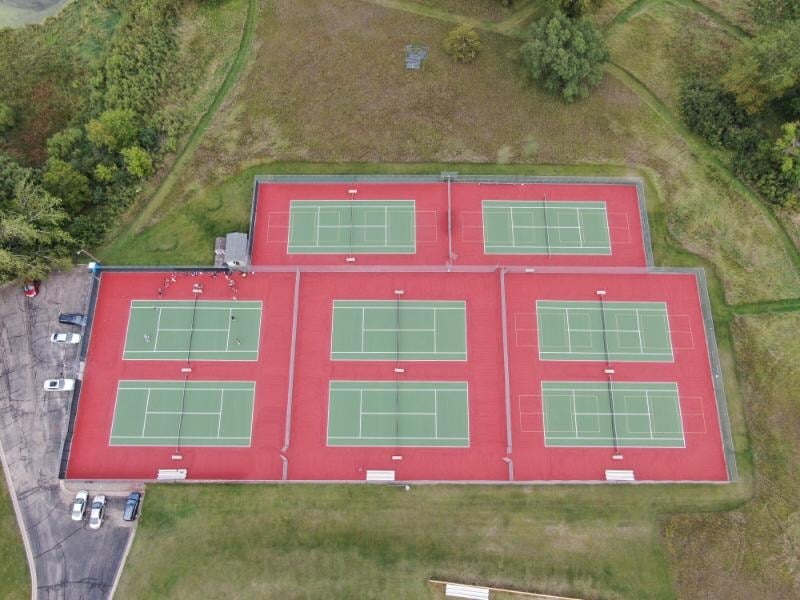
1. Ignoring Subsurface Damage
The Problem: Small Cracks and Drainage Issues
When you start resurfacing your court, don’t overlook minor cracks or drainage problems beneath the surface, even if it looks fine from above. Cracks and other forms of damage can occur gradually over time and should be addressed promptly to prevent further deterioration and higher repair costs. Before proceeding, it’s important to assess how much damage exists, as the extent of deterioration will impact the repair process and overall project cost. These underlying issues are often the culprit behind a flawed new surface.
If left unaddressed, that subsurface damage can lead to further cracking, uneven play areas, and water pooling, all of which will affect the performance and longevity of the new surface.
The Fix: Inspect and Repair the Base First
Before you resurface, always check the base and sub-base for structural integrity. It is crucial to assess the existing surface for any damage or imperfections, as proper evaluation and preparation of the existing surface ensures that new materials will adhere correctly and perform as intended. Be sure to thoroughly evaluate the existing court to identify any structural issues before proceeding with resurfacing. If cracks, dips, or drainage issues are present, they need to be fixed first—this includes thoroughly inspecting and repairing the drainage system to prevent poor drainage from causing future damage. All such issues should be properly repaired to ensure the new surface layer will be durable and perform optimally.
Without this step, your new court surface won’t have a solid foundation, and you’ll start noticing cracks in your investment earlier – literally.
Pro Track Tip: Get a professional site assessment to catch these issues early.
Contact us to get a free, no-commitment inspection. We’ll ensure your foundation is solid or point out any issues so you can move forward with confidence.
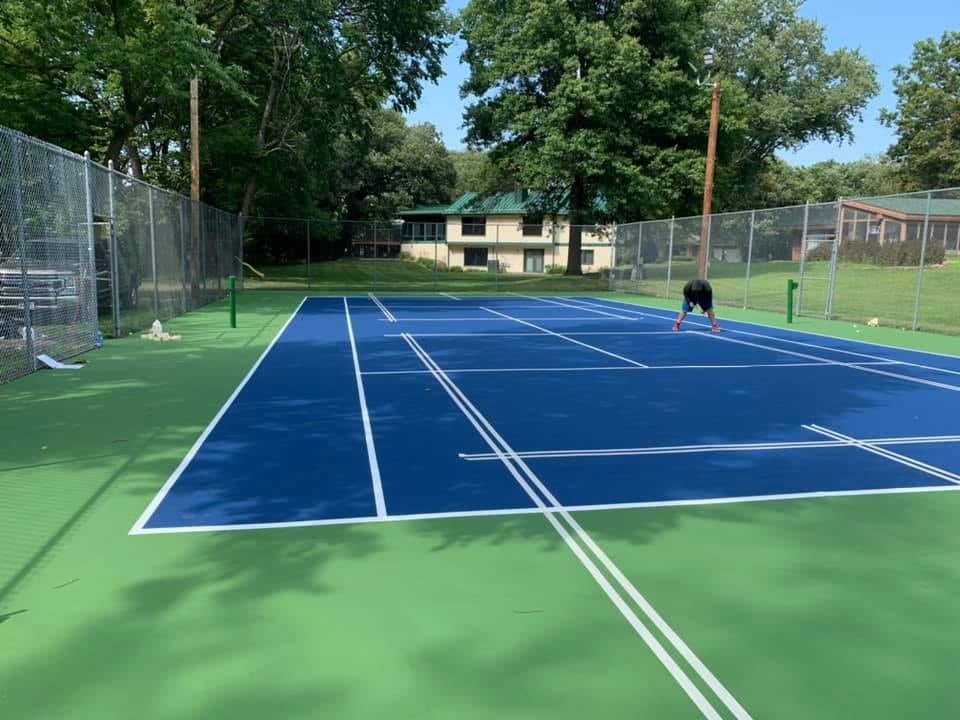
2. Using Low-Quality or Incompatible Materials
The Problem: Poor Materials for Your Region and Traffic Level
Not all tennis court coatings are made equal. When it comes to resurfacing, using the wrong materials for your region’s climate or your court’s traffic level can significantly shorten your surface’s lifetime.
Common surface materials include asphalt and concrete, which are often used for hard courts, while acrylic resurfacer is applied to enhance durability, improve adhesion, and provide a suitable base for color coatings. The suitability of these materials varies depending on regional climate and how much the court is used. How often you need to maintain or resurface a court depends on these factors, as different surfaces require varying upkeep based on climate and usage.
Cheaper, low-quality materials might seem like a good deal upfront, but they can deteriorate faster under the sun, rain, or frequent play. As a result, courts can end up in poor condition, requiring more extensive repairs or even complete rebuilding, which significantly increases resurfacing costs.
The Fix: Choose Materials Based on Performance, Not Price
Selecting the right coating is essential for your new surface’s longevity.
A reputable contractor should evaluate your region’s weather conditions and traffic level before they recommend an appropriate coating. Recommendations and costs can vary depending on these factors, as each court’s needs are unique.
For example, if you’re in a hot or humid region, you’ll want to use UV-resistant, weatherproof materials. Or if your courts get frequent-use, you’ll need more durable, impact-resistant materials. Some resurfacing materials, such as certain tiles or acrylic coatings, also offer low maintenance benefits, making them ideal for busy facilities.
Pro Track Tip: Ensure maximum durability by customizing your surface materials to match your climate and expected court usage.
Don’t compromise on materials. The right choice pays off in the long run.
At Pro Track and Tennis, we’ve built more than 5,000 surfaces across 24 states, so we know what materials to use where. Get in touch if you’d like some advice on the best materials to meet your needs.
3. Skipping Proper Surface Prep
The Problem: Dirty or Damaged Surfaces
One of the most common resurfacing mistakes we see is skipping or rushing the surface preparation. That’s one of the most important steps!
Any sediment, dirt, oils, or remnants of old coatings can ruin the new surface’s ability to bond. Before applying new coatings, it is essential to ensure that any contaminants or damage on the court’s surface are thoroughly addressed. Removing the top layer of the tennis court is crucial, as it allows you to inspect and repair the underlying base for cracks or drainage issues before applying new coatings. That leads to peeling, bubbling, or discoloration, and a court that doesn’t perform as intended.
The Fix: Thorough Cleaning, Repair, and Leveling
Proper prep is critical for successful adhesion. A professional power washing is essential to remove dirt and oils, combined with crack patching and leveling. Repairing cracks is a crucial step in the preparation process, as it ensures that all debris is removed and cracks are properly filled and sealed before applying a new surface. A well-prepared playing surface is essential for both optimal performance and the longevity of your tennis court.
That way, your prepped surface will be smooth, clean, and ready for the new layer of coating.
Pro Track Tip: Never rush the surface prep!
Consistency is in our DNA at Pro Track and Tennis, and we run our tennis court resurfacing projects like clockwork. We know exactly how to clean and prep your surface so that your new surface is flawless, every single time.
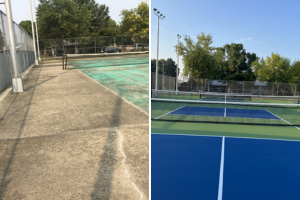
Check out our project galleries to see what perfect resurfacing looks like.
4. Rushing the Cure Time
The Problem: Premature Use of the Court
Another mistake that many facilities make is trying to get players on their courts too soon after resurfacing.
Whether it’s for a community event or just a rush to meet a deadline, walking or playing on the court before it has fully cured is a bad idea – it can cause lasting damage to the new surface and affect its long-term performance.
The Fix: Respect Drying and Curing Guidelines
Curing is essential for the surface to bond correctly. The court surface typically requires several days of curing before it can be used for play. As with prep, rushing the process can lead to damage including peeling, cracking, or discoloration, especially in high humidity or temperature extremes.
Patience during the curing process will save you headaches and costs down the line.
Pro Track Tip: Carefully monitor the curing environment and give it as long as it needs.
Our in-house expert teams monitor your courts as they cure. We keep track of temperature, moisture, and airflow to confirm the perfect drying time.
We want you to get the best results, and we’ll let you know when as soon as it’s ready and safe to play on.
5. Not Scheduling Future Maintenance
The Problem: Forgetting About Ongoing Care
Once resurfacing is complete, it’s tempting to think the job is done – but neglecting long-term care is another common mistake.
These can extend the lifespan of your court by years, whereas not maintaining your court properly will lead to costly repairs sooner rather than later. To keep your tennis court in top condition, it’s essential to maintain it regularly by cleaning, repairing minor issues, and renewing the surface as needed. Regular resurfacing and upkeep are especially important for courts on private property to ensure safety and longevity.
Without regular maintenance, tennis courts can quickly fall into disrepair, especially when cracks start forming again or debris accumulates.
The Fix: Establish a Regular Maintenance Schedule
Don’t just wait until the next big issue pops up. Schedule periodic inspections and minor touch-ups to keep your court in top condition. A proactive tennis court maintenance plan ensures all aspects of upkeep are addressed, helping to prevent major problems and extend the life of your court.
That means simple tasks like sweeping, clearing debris, and sealing small cracks. These can extend the lifespan of your court by years, whereas not maintaining your court properly will lead to costly repairs sooner rather than later.
Pro Track Tip: Don’t neglect routine maintenance. Schedule your next inspection long ahead of time.
Fun fact: Pro Track and Tennis offers a 3 year warranty on all our surfaces. So if you do encounter some damage, we’ll fix it for you, no questions asked.
We’ll also stay in touch to keep you up-to-date on maintenance, offering check-ups, touch-ups, and cleaning to protect your investment and keep your courts playing like new.
Bonus: Avoid the #6 Mistake – Hiring the Wrong Contractor
The Problem: Inexperienced or Under-Equipped Crews
Let’s face it: The quality of your resurfacing job depends heavily on the contractor you choose.
Unfortunately, too many projects fail because the crew lacks the experience, equipment, or training to get the job done well on the first go.
The Fix: Choose a Trusted, Experienced Contractor
Take Pro Track and Tennis, for example, because our experience sets us apart.
We have over 20 years of experience resurfacing tennis courts, with high-quality coatings and in-house crews that guarantee precision and reliability.
Our proven track record of over 5,000 projects completed on-time and on-budget with municipalities, schools, and HOAs speaks for itself. When choosing a contractor, it’s important to consider other factors such as experience, expertise, and quality—not just cost—to ensure your tennis court is built to last. A skilled contractor can efficiently upgrade your existing tennis court without the need for complete reconstruction, saving you time and money.
Pro Track Tip: Work with a team known for our honest timelines, transparent pricing, and commitment to customer satisfaction.
If you want to protect your investment and get a quality surface that lasts, don’t risk your project with just anyone. Partner with the experts.
Let’s talk about your court’s condition. Get a free consultation today!
If you’re planning to resurface your tennis court in 2026, make sure to avoid these common mistakes.
Instead, resurface with confidence by partnering with a team that consistently delivers.
Get in touch with us for a free site assessment, expert recommendations, and materials suggestions tailored to your needs so that your next surface lasts for years.