Key Takeaways
Water intrusion and base movement cause most track failures, not surface wear
Early intervention through routine inspections protects your investment and extends usable life
Drainage problems must be fixed before any surface work
Planned maintenance costs a fraction of emergency repairs or premature rebuilds
Knowing when to repair, ...
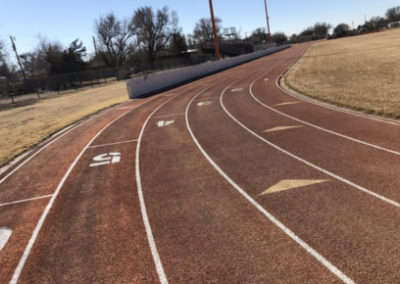
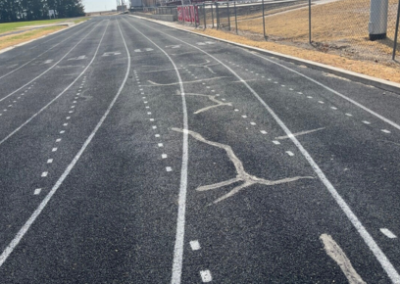
Small cracks, soft spots, and standing water might look like minor maintenance issues, but on a running track they are early warnings of far bigger problems. A hairline fissure in lane four could be a minor repair, or the first sign that water has reached the asphalt base, putting you on a path toward complete replacement.
For facility managers juggling tight budgets and liability ...
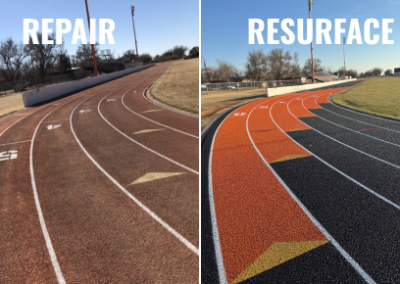
Your track is showing its age. But does it need a $40,000 repair, $110,000 resurfacing, or complete rebuild? Choose wrong and you'll either waste money on band-aids or spend unnecessarily on replacement. This guide shows exactly how to tell the difference.
Water pooling in lane three. Cracks spreading near the exchange zones. Your track is not failing quietly; it is sending invoices ...
That chalky film that rubs off on shoes? The brittle texture that cracks every spring? That's not "old paint." That's UV damage chewing through your coating, and it's quietly costing you thousands in premature resurfacing.
Facilities in high-sun states often resurface every 4 to 5 years when they could get 7 to 8 with the right timing and maintenance. That's an unnecessary $15,000 ...
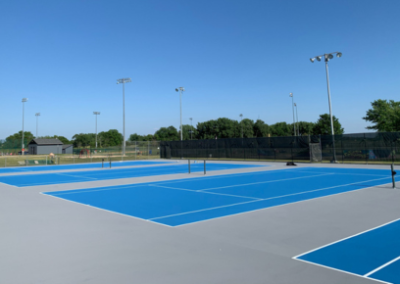
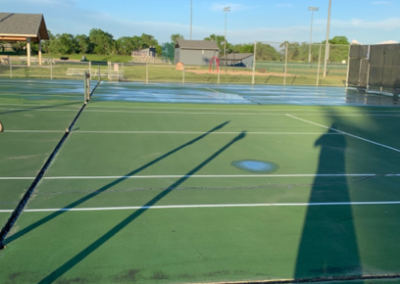
Those puddles on your tennis court after rain aren't just annoying, they're expensive warnings. What starts as standing water becomes coating failure, cracks, and eventually a $15,000 repair bill when ignored.
The root causes are usually predictable: poor drainage design, base compaction issues during construction, or natural settling over time. But here's what matters: knowing ...
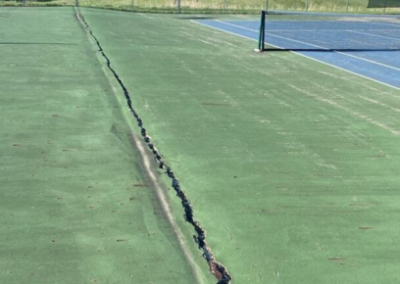
Every tennis court cracks. The question isn’t if, but when; and more importantly, whether you’ll keep throwing money at patches that don’t hold, or invest once in repairs that actually work.
The most expensive pattern we see? Facilities spending year after year on quick fixes, scrambling before events, then facing the same cracks again. After five years, many facilities have spent ...