


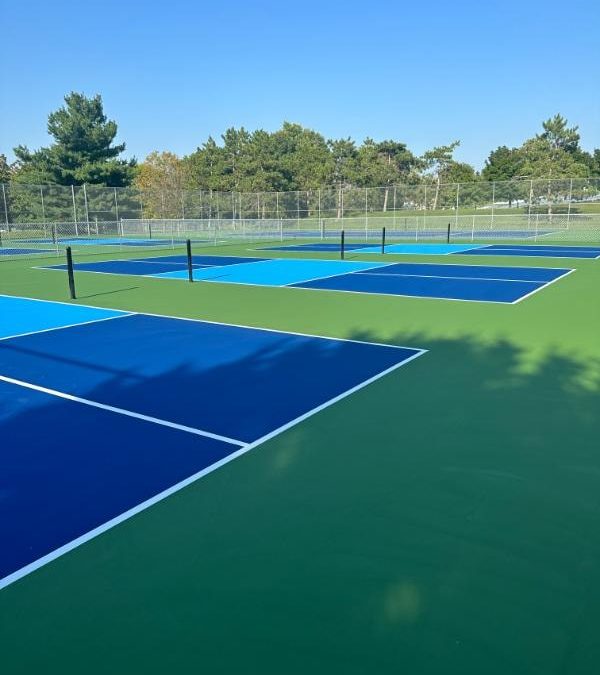
Pickleball court construction is one of the most common facility upgrades parks directors and athletic directors are planning right now. Demand from students, residents, and recreational players has never been higher. But knowing the sport is popular is the easy part. What’s less clear for most facility managers is what construction actually involves, what it costs, and how to find a contractor who delivers.
This guide covers what you need to know to make a smart decision for your facility.
Why Parks, Schools, and Recreation Centers Are Adding Pickleball Courts
Pickleball works for a wide range of facilities because it’s accessible, space-efficient, and genuinely well-used once it’s installed. Parks directors see it drive consistent foot traffic. Athletic directors find it fits neatly into PE curriculum and intramural programming. Community centers use it to engage residents across age groups.
The practical case is straightforward: courts are relatively affordable to build, they serve a broad audience, and facilities that have added them consistently report high usage rates.
If you’re evaluating whether pickleball courts make sense for your facility, the short answer is usually yes. The more useful question is what type of construction fits your site, your budget, and your timeline.
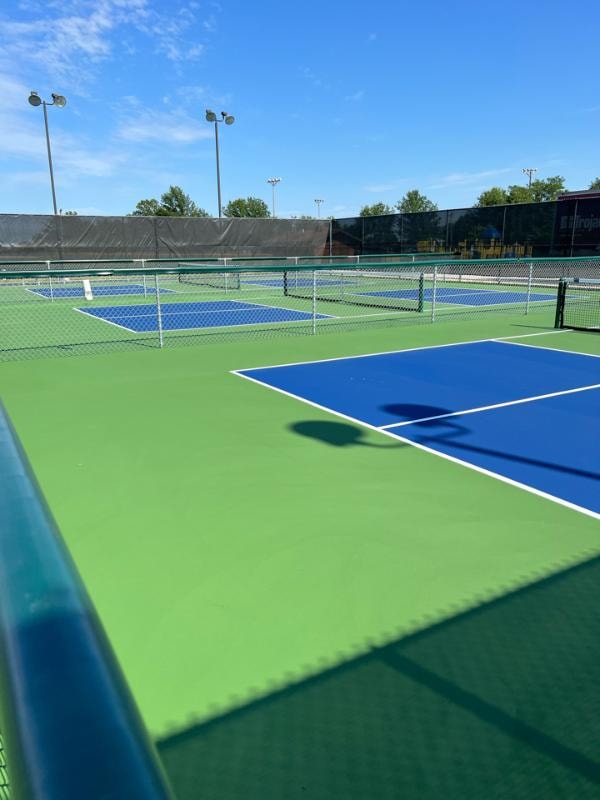
Why Pickleball Courts Are the Perfect Addition for Universities and Communities
Pickleball is inclusive, low-impact, and fun for people of all ages, making it a great fit for universities, parks, clubs, and recreational facilities.
At schools and universities, pickleball encourages student engagement, promotes wellness, and supports intramural and recreational programming.
Meanwhile, at community centers and parks, pickleball creates an easy way to bring people together and promote an active lifestyle.
When planning to build a pickleball court, it’s important to consider how much space is needed. The official court size is 20 feet by 44 feet, but you should also ensure there is enough space around the court—typically at least 10 feet on each end and 5 feet on each side—for safe movement and enjoyable play.
As pickleball rapidly grows, people across the country are starting to seek out courts – so it could be the perfect time to build some. Fortunately, installation is easy and affordable.
👉 See how pickleball could look in your community
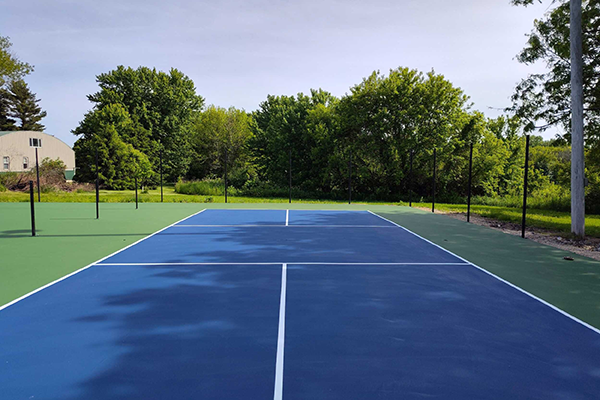
Pickleball Court Surfaces: What to Choose and Why
Choosing the right surface system affects your upfront cost, long-term maintenance burden, and player experience. The main options for outdoor pickleball courts are:
Asphalt base with acrylic coating is the most common choice for outdoor courts. It’s durable, cost-effective to install, and widely used across parks and school facilities throughout the Midwest and South.
Concrete base with acrylic coating gives you a smoother, more consistent playing surface. Slightly higher upfront cost, but a strong long-term investment in certain climates.
Cushioned or shock-absorbing systems add a layer of cushioning beneath the acrylic coating. These reduce player fatigue and lower injury risk, which matters for high-traffic courts. Cushion systems typically add $10,000 to $20,000 per court to the project cost.
Climate matters here. In northern states, freeze-thaw cycles stress the base, so getting drainage and the surface system right from the start is especially important.
What Pickleball Court Construction Actually Involves
A well-built court starts long before the first coat of acrylic goes down:
Site evaluation and grading. The base has to be solid and properly sloped for drainage. Poor drainage is one of the most common reasons courts fail ahead of schedule.
Base preparation. For new construction, asphalt or concrete is installed as the base layer. For conversions, the existing base is evaluated and repaired before surfacing begins.
Acrylic resurfacer. Before color coats are applied, an acrylic resurfacer fills low spots, smooths the base, and improves adhesion. This step is what separates a long-lasting surface from one that starts cracking within a few years.
Surface coating and striping. Courts are coated with acrylic surfacing and striped to official dimensions: 20 feet wide by 44 feet long. Color selection happens at this stage.
Nets and posts. Permanent post installation is the professional standard for courts that will see regular use.
Fencing and lighting. Optional but worth planning for. Lighting alone significantly increases how much use courts get by extending play into evenings.
Typical timeline for court work is 5 to 10 days depending on scope and site conditions.
👉 Get a free quote for your pickleball court
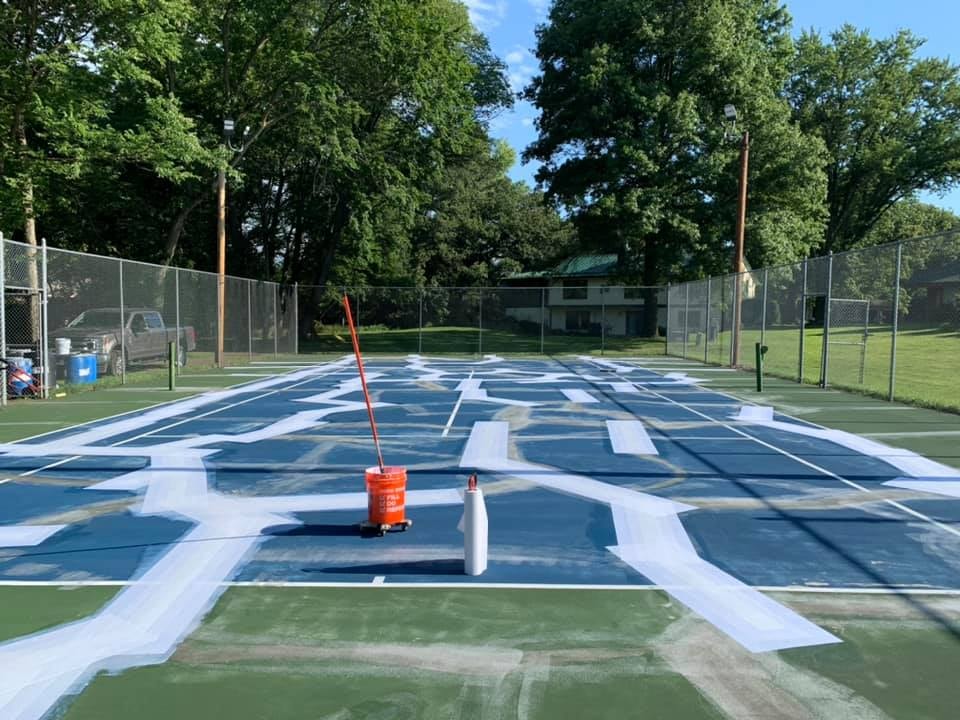
New Construction vs. Tennis Court Conversion
If your facility already has tennis courts, conversion is worth considering before committing to new construction. A single tennis court can accommodate two to four pickleball courts depending on layout, and the base work is largely already done.
Conversion typically involves crack repair, resurfacing with acrylic, and adding pickleball lines. Ghost lines keep both sports playable on the same surface if you want to preserve tennis functionality.
Not every existing court is a good conversion candidate. If the base has significant movement, drainage problems, or heavy cracking, those issues need to be addressed first. Resurfacing over a failing base is money wasted. A site assessment will tell you which category your courts fall into.
Designing Your Outdoor Pickleball Court: Accessories and Enhancements
A well-designed outdoor pickleball court goes beyond the basics to create a comfortable and enjoyable playing environment. Adding permanent net posts ensures stability and a professional feel, while portable net systems offer flexibility for multi-use spaces. Shade structures are a popular enhancement, providing relief from the sun and making the court more inviting during hot weather—especially important in sunny regions like Southern California.
Lighting systems extend playtime into the evening, and thoughtful court accessories such as benches, ball holders, and scorekeepers can elevate the overall experience. Don’t forget to plan for proper drainage to protect your court surface from water damage and ensure consistent playability. Considering wind direction and sun exposure during the design phase will also help maximize comfort and performance for players. With the right accessories and enhancements, your outdoor pickleball court will become a favorite destination for players of all ages.
What Does Pickleball Court Construction Cost?
Costs vary based on base type, surface system, site conditions, quantity of courts, and accessories. There’s no single number that applies to every project.
What we can tell you: cushioned surface systems add approximately $10,000 to $20,000 per court over a standard acrylic system. Fencing, lighting, and permanent posts add to the total depending on scope.
The best thing you can do before budgeting is get a site assessment and a written quote that breaks down materials, labor, and scope clearly. Vague “competitive pricing” without itemized details is a red flag.
What to Look for in a Pickleball Court Contractor
The pickleball boom has brought in a lot of operators with limited track records. Here’s what actually matters:
In-house crews. Contractors who use their own crews maintain control over quality and scheduling. When work is subcontracted out, accountability gets murky.
ASBA membership. The American Sports Builders Association sets industry standards for sports surface construction. Working with an ASBA member means your contractor is held to a recognized professional standard.
Documented experience. Ask for references and completed project examples. A contractor who has worked across multiple states and climates has seen the variables that can affect a project and knows how to handle them.
Scheduling coordination. For schools and parks, timing matters. Court work needs to fit around athletic seasons, school schedules, and community programming.
👉 See our portfolio of completed projects | Our Services
Pro Track & Tennis: Affordable Pickleball Court Builders Across 25+ States
Pro Track & Tennis has completed 1,000+ court and track projects across 25+ states. We’re an ASBA member with 30+ years of experience and in-house crews on every job. No subcontractors.
Our pickleball work includes parks, schools, and recreation centers across the Midwest and Southern U.S.:
- Sheridan Park, Eldridge City, IA — resurfacing with crack, rust, and birdbath repairs
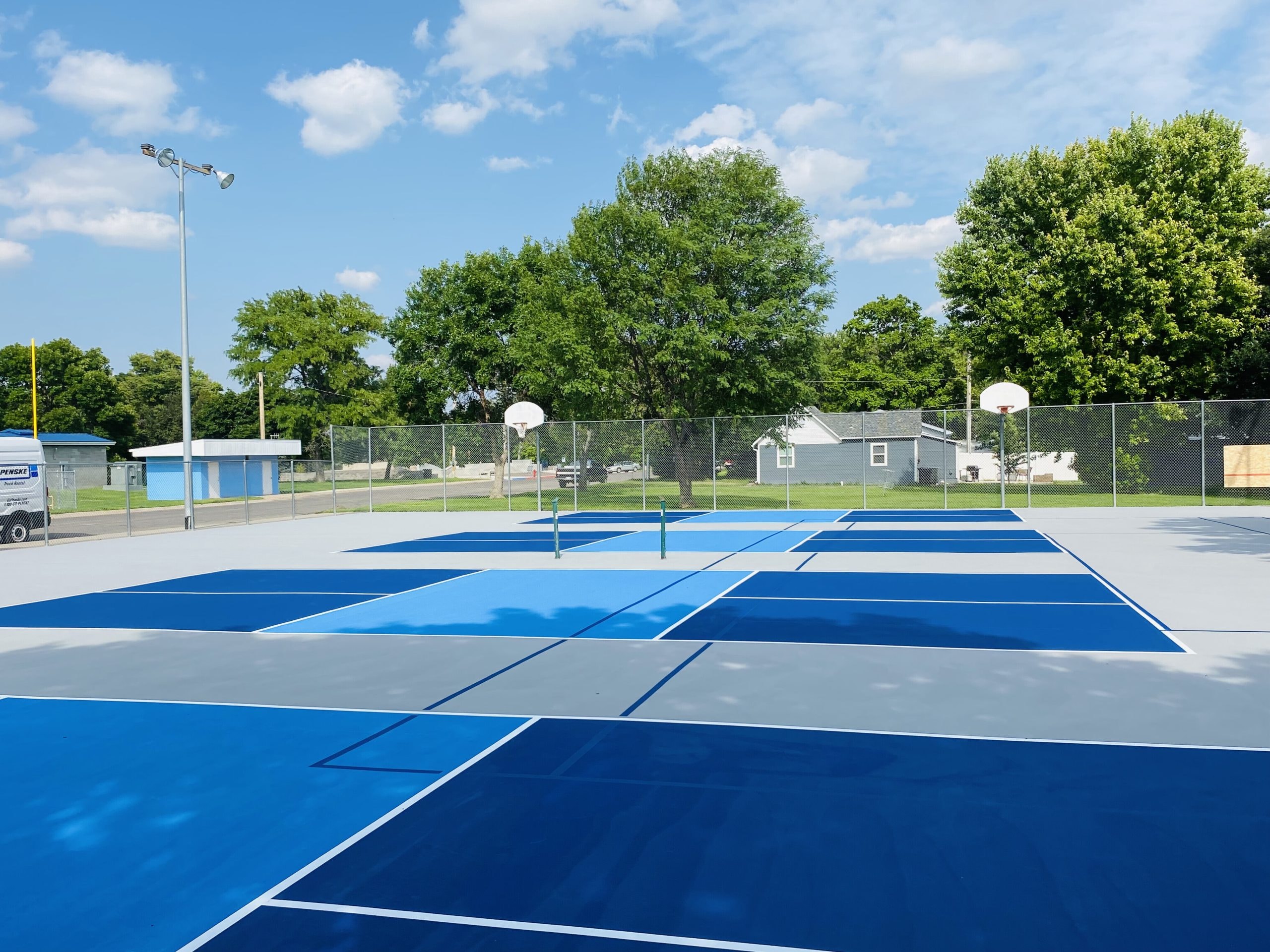
- Campbell Park, Strawberry Point, IA — acrylic resurfacing of former tennis courts with pickleball conversion
- City of Imperial, NE — four-court multi-use surface with ghost lines for tennis
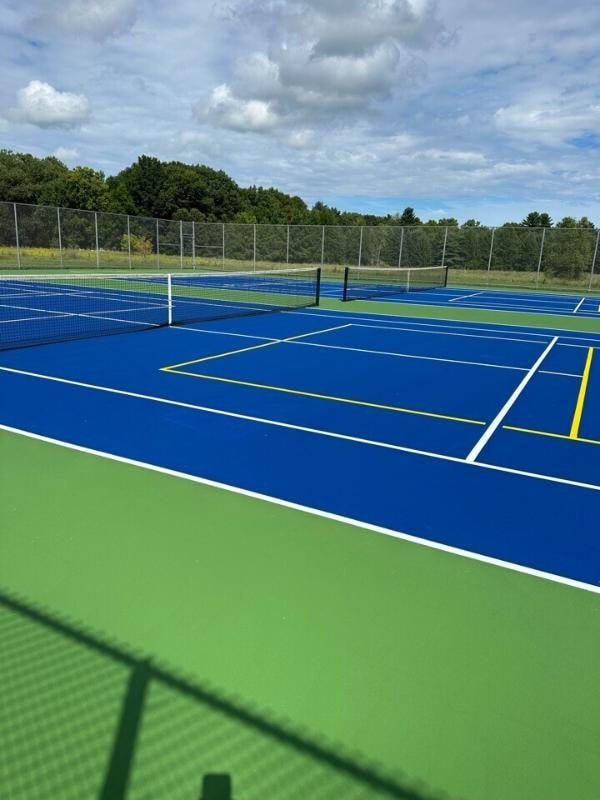
- Suamico, WI — ARMOR crack repair and Combination Surface system installation
- Lexington Camp Courts — new pickleball court construction
Every project starts with a site assessment and a written quote with clear scope.
👉 Learn more about court maintenance services
Maintaining Your Pickleball Court: Tips for Longevity and Playability
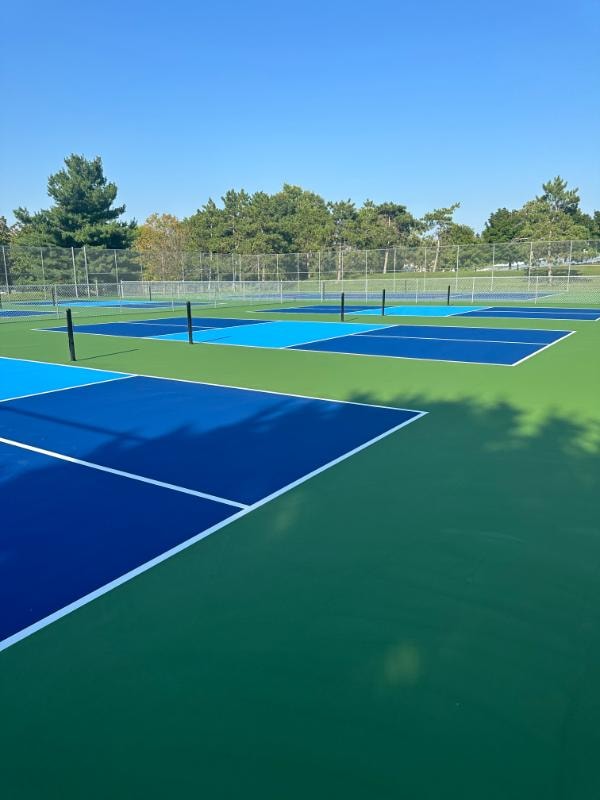
Regular maintenance keeps courts safe, playable, and looking good longer. Start with routine cleaning to remove debris and dirt. Inspect frequently for cracks, fading, or surface wear and address issues before they spread.
For outdoor courts, monitor the effects of weather. UV exposure, rain, and freeze-thaw cycles all impact the surface over time. A maintenance coating schedule is the most cost-effective way to extend court life.
The Benefits of Having a Pickleball Court on Campus or in Your Community
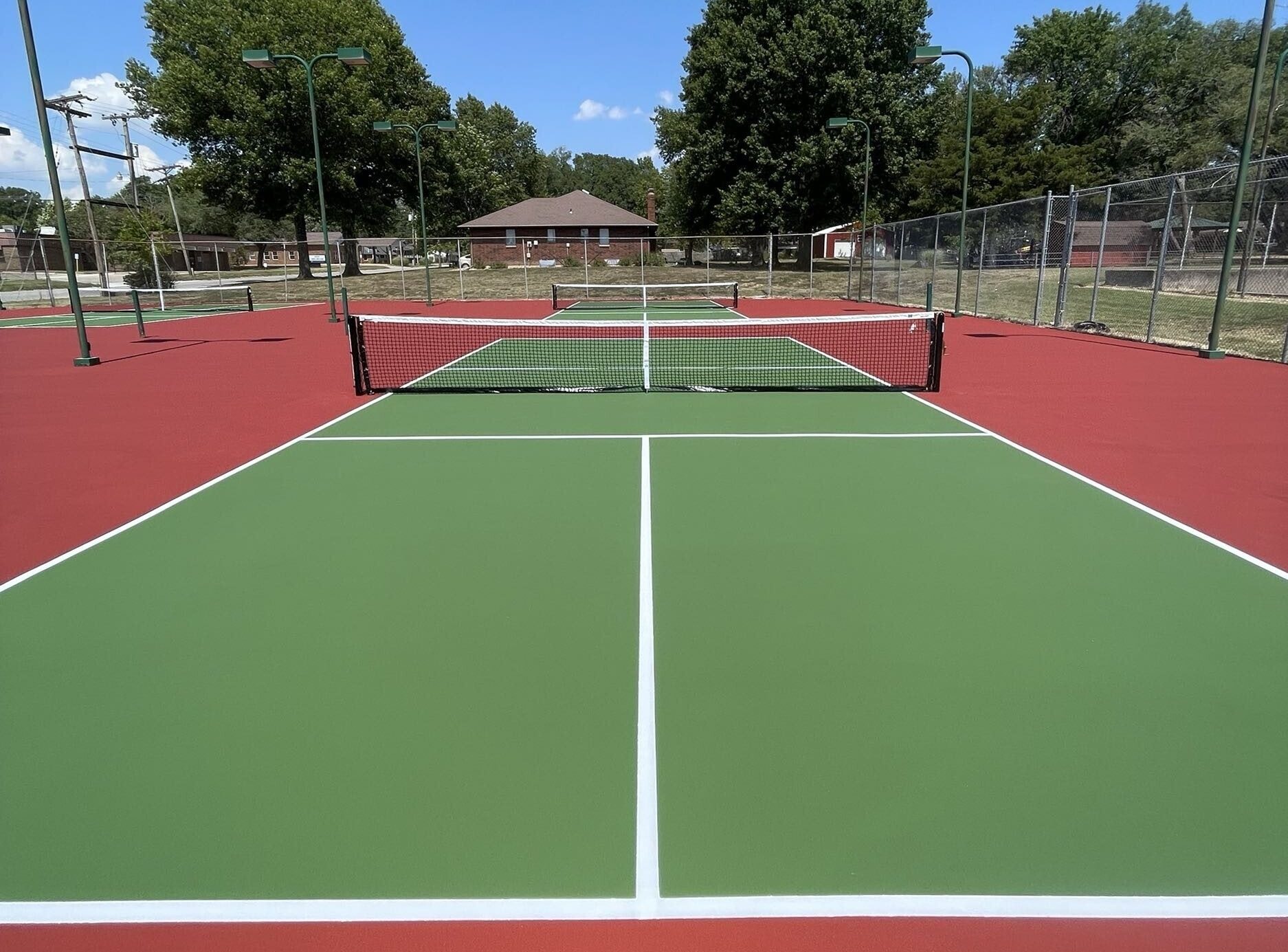
As facilities managers across the country know, a pickleball court can mean a lot more than just a playing surface. At its best, it becomes a hub for activity, connection, and healthy living in your local community – and given pickleball’s trending popularity, that’s something you don’t want to miss.
After installing new courts, our clients mention how much they love:
🏃 Increased activity among students and residents
⌚ Frequent use and lots of positive traffic
👫 New opportunities for community interaction
🏆 Flexible spaces for events, tournaments, and casual play
💡 Proper lighting and thoughtful court design allow students and residents to play pickleball even in the evenings, increasing court usage and accessibility.
👉 Discover how a pickleball court can benefit your community
Frequently Asked Questions
How long does pickleball court construction take? Court work typically takes 5 to 10 days depending on scope and site conditions. Projects involving structural base work take longer and should be scoped after a site evaluation.
Can we convert existing tennis courts to pickleball? Yes, in many cases. A single tennis court can fit two to four pickleball courts. Whether conversion makes sense depends on the condition of your existing base. A site assessment will give you a clear answer.
What surface is best for outdoor pickleball courts? Asphalt base with acrylic coating is the most common choice. Cushioned systems add comfort and are worth considering for high-traffic facilities. Your contractor should recommend a surface system based on your site, climate, and budget.
Do you work with schools and parks on scheduling? Yes. We coordinate project timing around your facility’s schedule to minimize disruption. For schools, that typically means working during breaks or off-season periods.
What states do you serve? Pro Track & Tennis serves facilities across 25+ states throughout the Midwest and Southern U.S. Contact us to confirm availability in your area.
Learn more about pickleball courts 👉 Get started on your pickleball court today!
Ready to Build Your Pickleball Court?
If you’re planning pickleball courts for a park, school, or recreation center, the first step is a free site assessment. We’ll evaluate your site, walk you through your options, and give you a written quote with realistic costs and timelines.
Call us at 402-761-1788 or email info@protrackandtennis.com to get started.