
Athletic Surfaces
A World of Color: Best Court Design Ideas to Enhance Visibility & Performance
Updated on
·
2 min read

Published by
A World of Color: Best Court Design Ideas to Enhance Visibility & Performance
Introduction
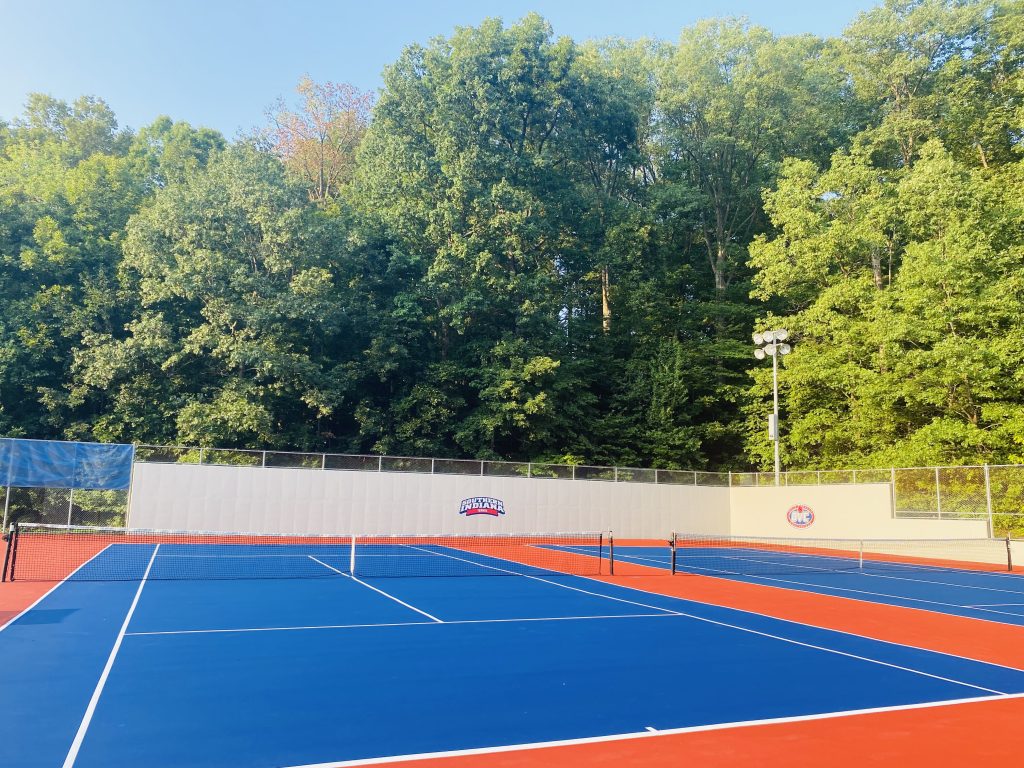
The design of a sports court is more than just lines on a surface. It’s a canvas for creativity, a strategic tool, and a visual representation of the sport itself. One of the most impactful elements of court design is color. The right color combination can enhance visibility, improve player performance, and create a unique atmosphere.
The Psychology of Color in Sports
Before we dive into the specific color options, let’s briefly discuss the psychology of color. Different colors evoke different emotions and can influence our mood and behavior. When choosing a color scheme for your court, consider the following:
Visibility: High-contrast colors, such as bright lines on a darker background, can improve visibility and reduce eye strain.
Atmosphere: Colors can create a specific atmosphere, whether it’s energetic and exciting or calm and serene.
Branding: You can incorporate your team or organization’s colors into the court design to strengthen brand identity.
Color Options for Your Court
Now, let’s explore the color options you can choose from for your court.
Inbounds Colors:
Stadium Blue
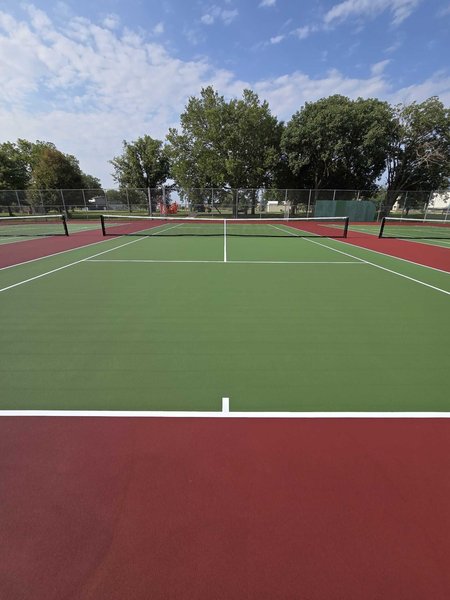
Classic Green
Dark Grey
Sand Dune
Burgundy
Terra Cotta Red
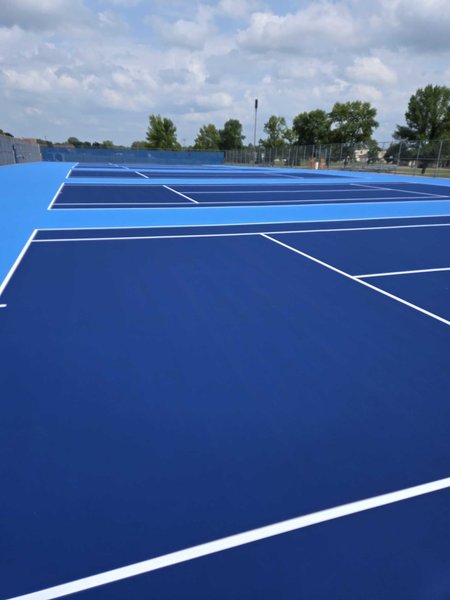
Blue
Grass Green
Grey
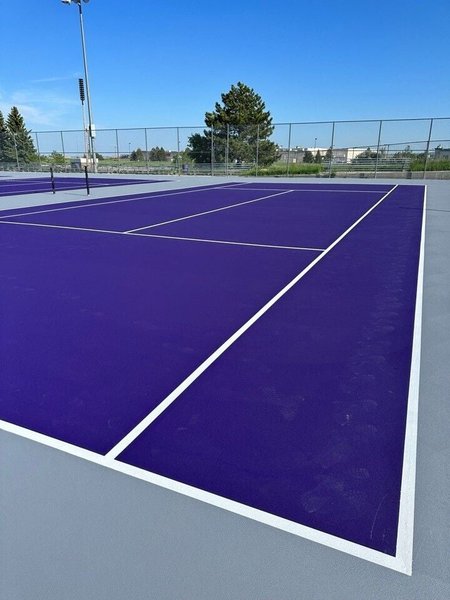
Canadian Violet

Out of Bounds Colors:
Stadium Blue
Classic Green
Dark Grey
Sand Dune
Burgundy
Terra Cotta Red
Blue
Grass Green
Grey
Canadian Violet
Creating Your Perfect Color Combination
When choosing a color combination for your court, consider the following tips:
High Contrast: Ensure that the inbounds and out-of-bounds colors have high contrast to improve visibility.
Team Colors: Incorporate your team or organization’s colors into the design to build brand recognition.
Environmental Factors: Consider the surrounding environment and choose colors that complement the natural landscape.
Player Preferences: Consult with players and coaches to determine their preferred color scheme.
Maintenance: Choose colors that are easy to maintain and clean.
Conclusion
While the number of color combinations may not be infinite, the possibilities for creating a unique and visually appealing court are vast. By carefully considering the psychology of color and following these tips, you can choose the perfect color combination to enhance the playing experience and create a memorable atmosphere.
Get a Free Assessment for Your Court or Track
Our in-house crews have completed 1,000+ projects across 25+ states. Tell us about your facility and we will inspect the surface and give you a straight plan and quote.
Get Free Assessment
»
About the Author
Marketing Manager, Pro Track & Tennis
Recent Blog Posts
Discover More →
•
8 min read
Plan your fall court and track resurfacing project: when to book, how budget cycles fit in, and how to sequence multiple surfaces.
•
8 min read
Your tennis court cracked again after resurfacing? Learn why reflective cracking happens and what actually stops an old crack from reappearing.
•
7 min read
Learn how tennis court resurfacing timing affects downtime, from weather windows to phasing multi-court facilities without closing everything at once.
•
7 min read
TYPTI vs. pickleball for clubs: court, equipment, and rules differences, plus a decision framework on adding TYPTI or switching entirely.
•
10 min read
How to host TYPTI at your club: equipment, court readiness, programming, marketing, and the revenue model, compared to pickleball benchmarks.