
Athletic Surfaces
How to Prepare Your Facility for Summer Resurfacing
Updated on
·
3 min read

Published by

Summer is prime time for resurfacing athletic facilities. With fewer games on the calendar and better weather across much of the country, it’s the perfect window to restore and upgrade your tennis courts, pickleball courts, multi-use courts, or running tracks.
But to make the most of your resurfacing project, a little preparation goes a long way.
At Pro Track and Tennis, we’ve completed 1,000+ projects across schools, parks, and communities. Here’s our expert advice on how to get your facility ready for a smooth, on-time, and stress-free resurfacing project.
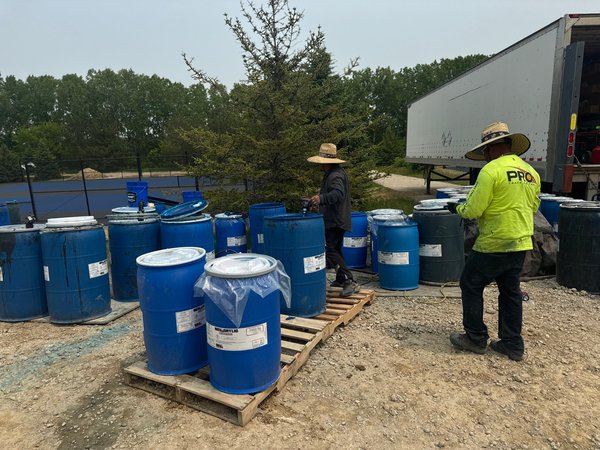
1. Schedule Early to Secure Your Spot
The best contractors book up fast during the summer months—especially for schools and municipalities aiming to complete work before fall sports or back-to-school events.
What to do:
Reach out in spring or early summer to secure a spot
Allow time for site assessments, approvals, and weather contingencies
Choose a start date that avoids scheduled events or peak facility use
SEO Tip: Use long-tail keywords like summer court resurfacing, school facility maintenance, track resurfacing timeline
2. Clear the Area and Communicate Closures
Before the resurfacing crew arrives, the work area should be free of:
Nets, benches, and removable equipment
Trash, debris, or vegetation around edges
Cars, cones, or any facility-use signage
Also, notify staff, students, and the community well in advance of temporary closures. Good communication avoids confusion and keeps your project on track.
3. Watch the Weather—but Don’t Wait Too Long
While summer offers ideal conditions, unexpected rain or high humidity can cause delays. That’s why we recommend planning for a weather buffer and choosing a contractor that monitors conditions daily.
What helps:
Building in a few flexible days
Having a contractor who can adapt and reschedule quickly
Prioritizing jobs with tight fall deadlines earlier in the season
SEO keyword ideas: resurfacing and weather delays, best time to resurface tennis court, outdoor court installation tips
4. Check for Underlying Repairs or Upgrades
Before your resurfacing project begins, it’s smart to assess the court or track for:
Cracks or drainage issues
Faded or missing lines
Subsurface damage from age or freeze-thaw cycles
If repairs are needed before resurfacing, addressing them upfront helps avoid wasted time and budget later.
We include a free assessment with every project to ensure your surface is ready for long-term performance.
5. Plan for Longevity: Add Striping, Logos, or Multi-Use Lines
If you’re resurfacing, it’s the perfect time to:
Add pickleball lines to tennis courts
Reconfigure a multi-use court
Update colors or school branding
Improve visibility and playability with custom striping
It’s more cost-effective to handle these enhancements during resurfacing than to do them later.
Bonus: Don’t Forget About Post-Project Care
Once your new surface is installed, plan for a brief curing period before heavy use (usually 48–72 hours for courts, longer for some tracks). Then:
Educate users on care guidelines
Avoid dragging benches or equipment
Keep the area clean to extend surface life
We provide surface-specific care tips to help you keep your facility in peak condition.

Ready to Get Started?
Whether you manage a school, a park, or a private facility, Pro Track and Tennis can help you plan and execute a summer resurfacing project that’s built to last.
Schedule a free assessment today and let’s bring your courts or track back to life—on time, on budget, and built for champions.
Get a Free Assessment for Your Court or Track
Our in-house crews have completed 1,000+ projects across 25+ states. Tell us about your facility and we will inspect the surface and give you a straight plan and quote.
Get Free Assessment
»
About the Author
Marketing Manager, Pro Track & Tennis
Recent Blog Posts
Discover More →
•
8 min read
Plan your fall court and track resurfacing project: when to book, how budget cycles fit in, and how to sequence multiple surfaces.
•
8 min read
Your tennis court cracked again after resurfacing? Learn why reflective cracking happens and what actually stops an old crack from reappearing.
•
7 min read
Learn how tennis court resurfacing timing affects downtime, from weather windows to phasing multi-court facilities without closing everything at once.
•
7 min read
TYPTI vs. pickleball for clubs: court, equipment, and rules differences, plus a decision framework on adding TYPTI or switching entirely.
•
10 min read
How to host TYPTI at your club: equipment, court readiness, programming, marketing, and the revenue model, compared to pickleball benchmarks.